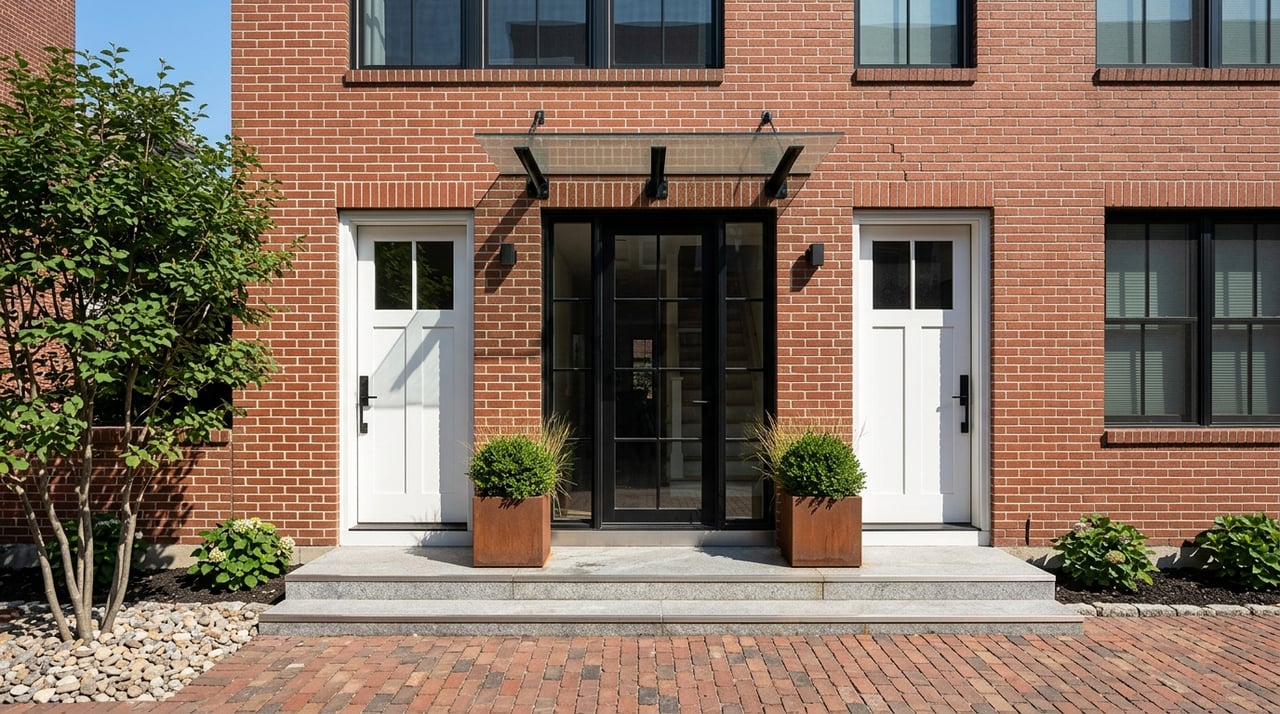
Portland Maine Condos vs Houses for Your Lifestyle
May 21, 2026
May 21, 2026
If you are trying to choose between a condo and a house in Portland, you are not alone. For many young professionals, this decision comes down to more than price. It is about your monthly budget, your time, your commute, and the kind of day-to-day life you want to build. In Portland, where housing is competitive and location matters, the better choice is usually the one that fits how you want to live. Let’s dive in.
A lot of buyers assume condos are always the budget-friendly option and houses are always the premium choice. In Portland, that gap is much smaller than many people expect. Redfin reported a median sale price of $593,500 for a single-family home and $575,000 for a condo or co-op, which is only about a 3.1% difference.
That small spread changes the conversation. Instead of focusing only on sticker price, you will usually get a clearer answer by comparing total monthly cost, location, and upkeep. In a city where the cost of living sits about 14% above the national average, those details matter.
Portland also remains a competitive market. As of March 2026, Redfin reported a median sale price of $593,500, homes selling in about 38 days, and roughly 3 offers on average. With about 66,166 residents and 66,797 jobs, Portland continues to see strong demand for homes close to work, dining, and waterfront amenities.
For many young professionals, the condo-versus-house question is really a location question. If you want walkability and easier access to Portland’s core, condos often put you closer to that lifestyle. If you want more square footage, outdoor space, or room to grow into, a house may be the better fit.
Portland’s pricing shows how strong the location premium can be. Redfin neighborhood data puts Downtown Portland at a median sale price of $875,000 with a 93 Walk Score. The West End comes in at $750,000 with an 88 Walk Score, while North Deering sits at $532,500 with a 34 Walk Score.
That tells you something important. In Portland, convenience and walkability often carry a premium, no matter which property type you buy. A condo in a central neighborhood may cost as much as, or more than, a house in a less walkable area.
Condos can make a lot of sense if you want a lower-maintenance lifestyle. In many cases, the association handles shared exterior responsibilities, which can reduce the number of ownership tasks on your plate. That can be especially appealing if your schedule is busy or you travel often.
Portland’s most walkable areas also tend to line up with where many condo listings are concentrated. That includes places near Downtown, the West End, and the East End. If your priority is being close to restaurants, the waterfront, and everyday conveniences, a condo may give you better access to that lifestyle.
A condo can also be a practical fit if you want more of a lock-and-leave setup. You may not need to think as much about yard work, snow removal, or exterior maintenance. For buyers who value convenience and location efficiency, that tradeoff can be worth it.
The main catch is that condo ownership comes with a different cost structure. HOA dues or condo fees are usually paid directly to the association, not through your mortgage servicer, and they can range from a few hundred dollars to more than $1,000 per month. That means a condo with a lower purchase price can still carry a higher monthly cost.
Maine’s Condominium Act also makes it clear that associations adopt annual budgets, assess common expenses, and can levy special assessments. In some emergency cases, an executive board may impose a special assessment of up to two months of common charges right away without owner ratification. That is why reviewing the building’s finances is so important before you buy.
The association is also responsible for maintaining insurance on common elements and liability coverage for shared areas. That can help shift some property-level responsibilities away from individual owners. Still, you want to understand exactly what is covered and what is not.
Before buying a condo in Portland, make sure you review:
Financing can also be more building-specific with condos than with detached homes. Project issues such as critical repairs, inadequate insurance, litigation, or hotel-like operations can affect loan eligibility. A condo that looks great on paper may still create financing hurdles if the project does not meet lender standards.
A house usually offers more control. If you want a yard, more privacy, extra storage, or freedom to renovate, a detached home often checks those boxes better than a condo. For buyers thinking about long-term flexibility, that can be a major advantage.
In Portland, though, more space often comes with a tradeoff. You may need to move farther from the city’s most walkable areas, or pay more to find a house in a central neighborhood. That is why this choice is often tied to your preferred neighborhood as much as the home itself.
A house can also give you more renovation upside. If you are comfortable taking on projects over time, you may have more room to improve the property in ways that fit your goals and budget. That level of autonomy is a big draw for many buyers.
With a house, you take on more direct repair risk. You are responsible for maintenance and repairs, from smaller issues to larger items like roof replacement. You also need to be ready for rising insurance, utility, and tax costs over time.
Property taxes in Portland are fairly close between the two property types at current median prices. At the city’s FY2026 combined city-and-school tax rate of $11.98 per $1,000 of valuation, a $575,000 condo works out to about $6,889 per year, or roughly $574 per month. A $593,500 home comes to about $7,110 per year, or roughly $593 per month, before exemptions or assessment differences.
That means taxes alone are not likely to decide this for you. The larger question is whether you would rather pay condo dues and accept association rules, or handle repairs and exterior maintenance yourself.
Before buying a house in Portland, pay close attention to:
These items matter because they shape both your monthly budget and your time commitment. A house can be rewarding, but it usually asks more from you in return.
If you are thinking ahead to future resale, avoid simple rules like “houses always appreciate more” or “condos are always easier to sell.” Portland’s recent market signals are mixed. Redfin showed Portland home prices up 10.9% year over year in March 2026, while Zillow’s home value indexes showed Portland overall down 0.5% year over year, with the East End down 0.3% and Downtown down 0.6%.
The safer takeaway is that resale performance depends heavily on the specific neighborhood, the exact property, and the cost of ownership. Well-located homes in walkable, amenity-rich areas tend to hold stronger buyer interest. That applies to both condos and houses.
For condos, building quality and management matter a lot. Nationally, Redfin reported condo prices down 2.2% year over year in May 2025, citing rising HOA fees, insurance costs, and special assessments as headwinds. At the same time, Portland was among the metros with the strongest year-over-year condo sales growth in the East.
That is a useful reminder that local context matters. In Portland, a well-managed condo in a scarce, walkable location may still attract solid demand. A detached home in an established neighborhood may also benefit from space, land, and renovation potential.
If you are choosing between a condo and a house, start with your daily routine instead of your wish list. Think about how often you want to drive, how much maintenance you are willing to handle, and how much of your monthly budget you want tied up in housing costs. The best answer is the one that works for your lifestyle now and still feels sustainable later.
For many buyers, a condo makes sense if you value walkability, lower day-to-day upkeep, and proximity to Portland’s downtown energy. A house often makes more sense if you want space, privacy, and more freedom to make changes over time. Neither is automatically better.
It also helps to compare the full monthly payment, not just the list price. Include principal, interest, taxes, insurance, HOA dues if applicable, utilities, and a realistic maintenance budget. And remember that closing costs often run about 2% to 5% of the purchase price.
In Portland, there is no simple condo-is-cheaper or house-is-better story. The sold-price gap is relatively small, location premiums are strong, and the right choice often comes down to whether you want to pay for convenience and walkability now or for space and autonomy later.
If you want help comparing specific neighborhoods, monthly costs, and long-term tradeoffs, Dambrie Garon Real Estate Advisors can help you make a confident next move.
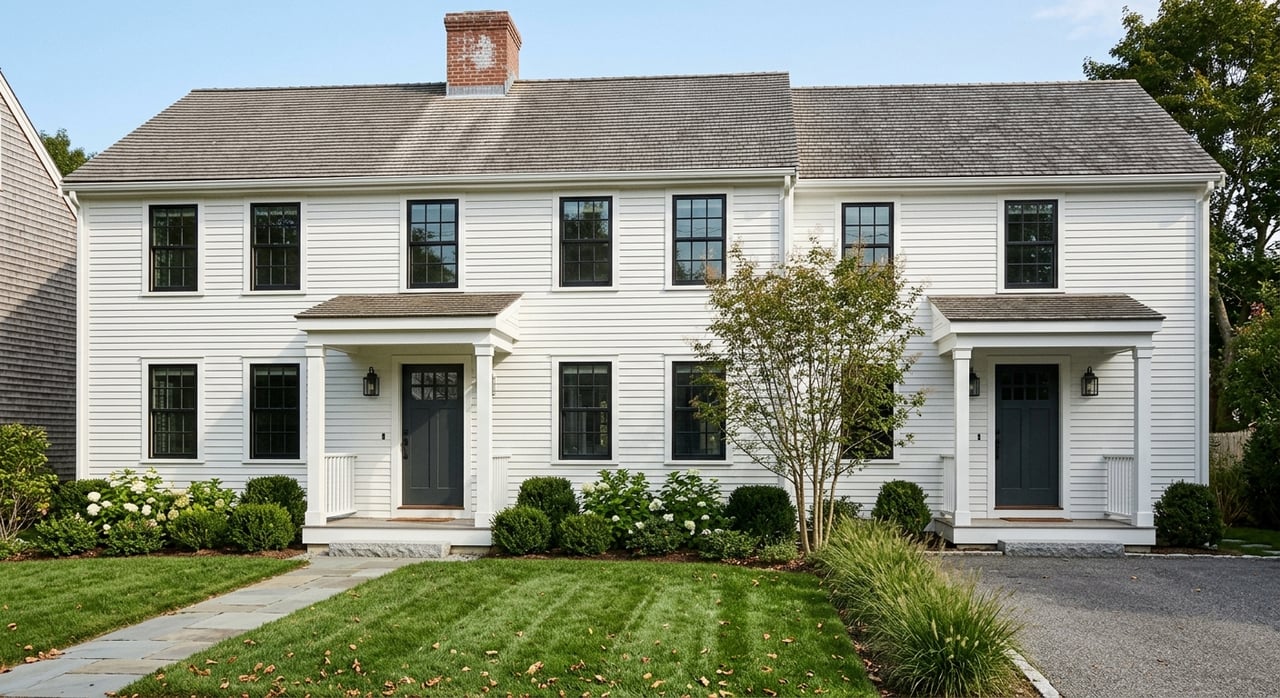
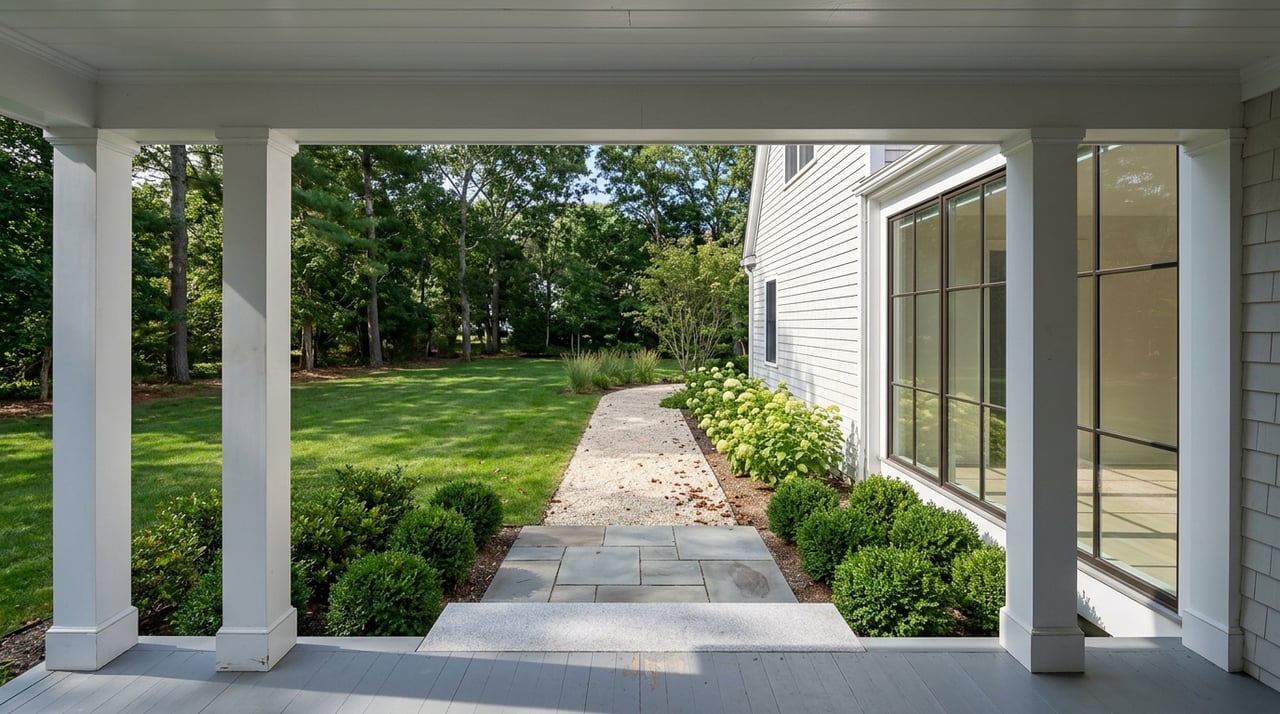
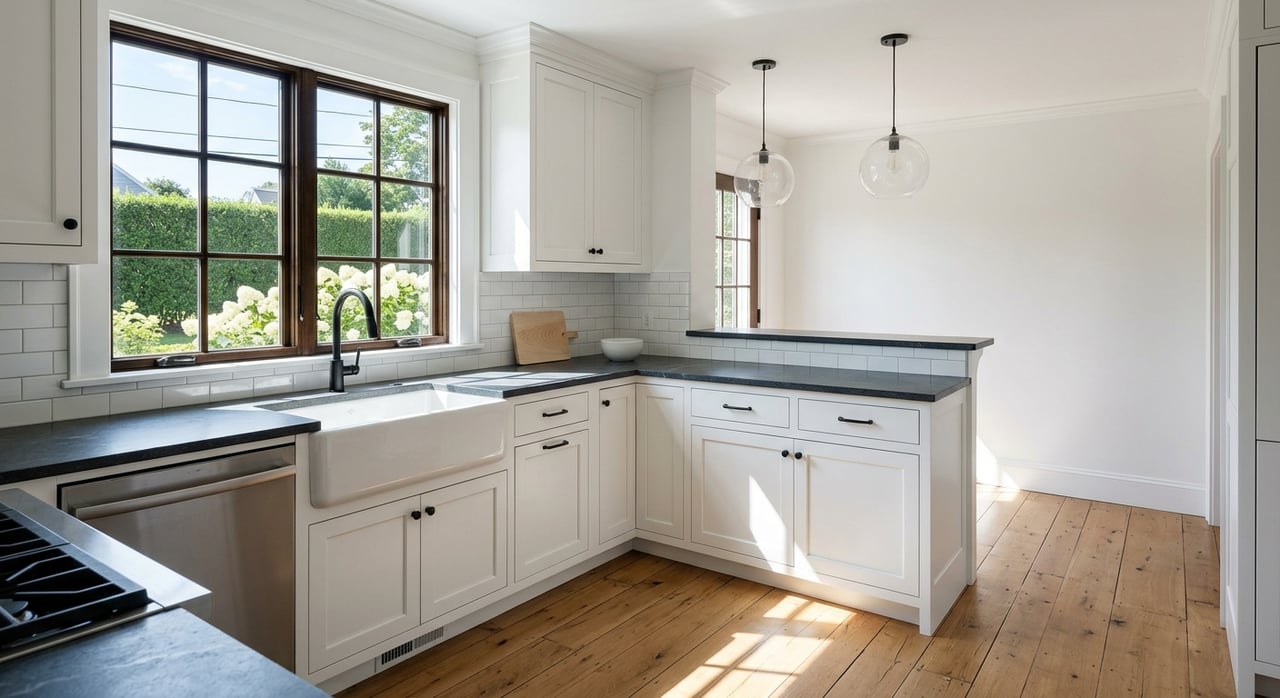
Fill out the form below to learn more about buying or selling a house in your area.
Dambrie Garon Real Estate Advisors offers their clients particular expertise in the buying and selling of single and multi-family properties, new construction, and subdivision projects. Our clients benefit from our insights into home renovations, knowing where and how much to invest to bring a property to its highest and best use, whether for renovation and resale or renovation for the families' own use.