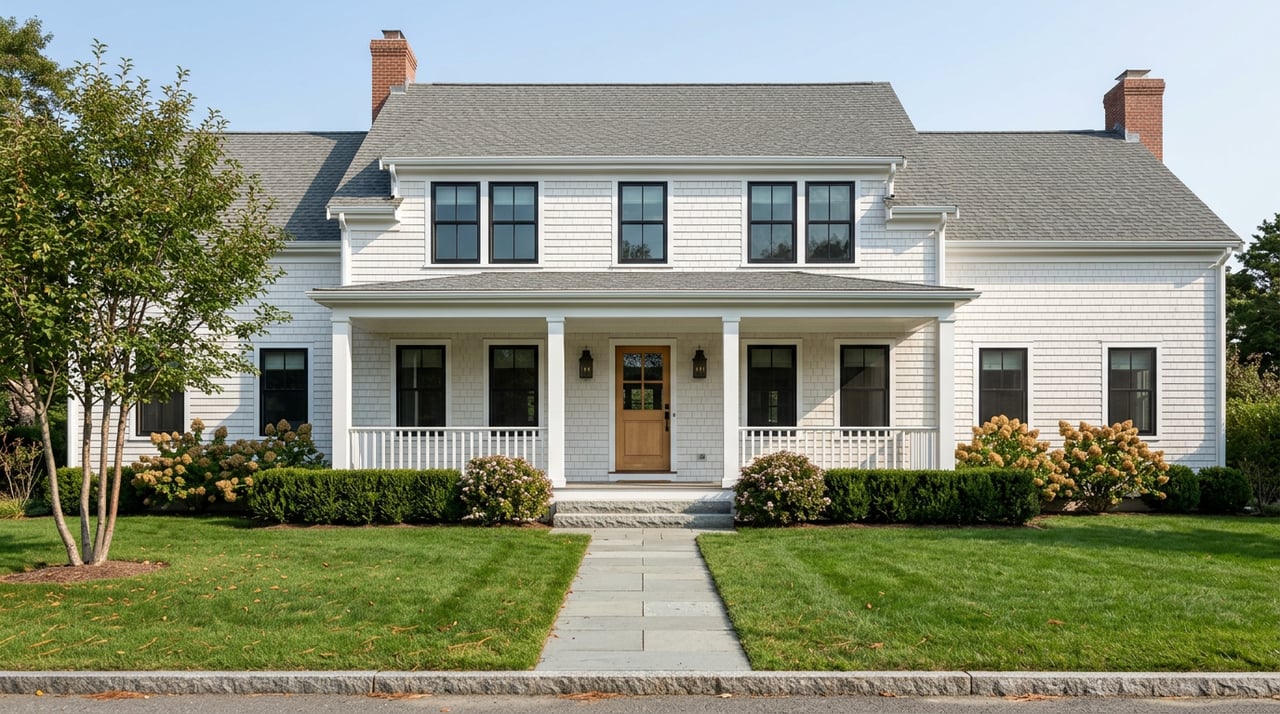
Buying a Home in Cape Elizabeth: Key Steps and Costs
March 5, 2026
March 5, 2026
Thinking about buying a home in Cape Elizabeth? You are not alone. This coastal town draws buyers for its shoreline, parks, and easy access to Greater Portland. But the market moves fast and the details matter, especially near the water. In this guide, you will learn what drives prices, how coastal rules impact your search, what to budget beyond the purchase price, and how to write a strong offer in a competitive area. Let’s dive in.
Cape Elizabeth sits near the top of Cumberland County’s price range. Monthly numbers can swing because there are fewer sales and many properties are higher end. For example, one recent high-end month recorded a median sale price around $1.3 million for Cape Elizabeth in October 2025, according to a local market report for Cumberland County’s single-family homes. You can review that recent snapshot in the Maine business press for context in a volatile month here.
County-wide, median prices have trended in the mid 500s to low 600s in recent periods, so Cape Elizabeth often prices well above the county average. That premium reflects coastal demand and limited supply. Many move-in-ready or ocean-adjacent listings attract multiple offers. Cash is common at the higher price points, which can affect how you structure financing and timelines.
What this means for you: set your target budget by neighborhood and property type, not just the town average. Waterfront and ocean-view homes will command a large premium. Inland streets and traditional subdivisions can offer more value but still often trade above the county median.
Cape Elizabeth offers a mix of waterfront headlands, state parks, and inland neighborhoods. Along the coast, you will find areas like Two Lights, Kettle Cove, Crescent Beach, Shore Acres, and parts of the Pond Cove area. Expect older cottages, mid-century coastal homes, and custom builds with renovations over time. Proximity to Fort Williams Park and Portland Head Light, Two Lights State Park, and Crescent Beach State Park boosts demand and pricing. For a quick overview of the town layout and parks, you can review the Cape Elizabeth summary.
Inland neighborhoods such as Oakhurst, Delano Park, Jordan Farm, and other streets away from the shoreline tend to have more traditional lots and fewer direct coastal constraints. You still get town services and quick access to parks and beaches, with a wider range of home styles.
If you are targeting a property near the coast, plan for shoreland regulations and septic-system rules. Many parcels fall inside a shoreland overlay that affects clearing and setbacks, and the state has specific requirements for septic inspections when transferring properties in shoreland areas. Maine law requires an inspection by a state-certified inspector before purchase for shoreland properties with subsurface wastewater disposal systems, with limited weather exceptions. If a system fails inspection, it must be repaired or replaced within set timelines. You can read the statutory overview here and the technical Subsurface Wastewater Disposal Rules here.
Key takeaway: if a home is in coastal shoreland, line up a septic inspection early. Replacement costs and permitting timelines can influence your offer price and closing plan.
Buying in Cape Elizabeth involves more than the sale price. Here are common costs to plan for:
Maine requires a residential property disclosure statement for most transfers. Sellers must deliver the statement no later than when you make an offer. The disclosure covers items like water supply, waste disposal, insulation, hazardous materials, and known defects. Review the statutory framework for residential disclosures here.
When you write an offer, align contingencies to both the property and the market:
Cape Elizabeth often has low inventory and a higher share of luxury homes. Well-priced listings can see multiple offers, and some higher-end homes attract cash buyers. A strong offer usually pairs a clear pre-approval with realistic inspection timelines and firm deadlines. Some buyers consider escalation clauses or shorter inspection periods, but waiving inspections carries risk, especially in older coastal homes where septic or moisture issues can be expensive. Balance speed with solid due diligence so you do not inherit avoidable costs.
If you plan to offset ownership costs with short-term rental income, research the town’s permit system before you write an offer. Cape Elizabeth requires permits and enforces categories, occupancy limits, homestead exemption elements in some cases, and annual renewals. Rules and fees can change. Review a summary of Cape Elizabeth’s short-term rental framework here and verify details with the Town’s Code Enforcement Office before assuming rental income.
Many buyers value access to local parks, the shoreline, and town services. For neutral, up-to-date information on calendars and enrollment, visit the Cape Elizabeth School Department. For community context and amenities, the town overview can help you get oriented as you refine your neighborhood wish list.
Use this simple path to go from idea to keys in hand:
Cape Elizabeth rewards buyers who prepare carefully and move decisively. From reading flood maps to planning septic inspections and writing a competitive offer, small details have big impacts on outcome and cost. If you want expert guidance grounded in decades of Greater Portland experience, we are here to help. Connect with Dambrie Garon Real Estate Advisors to start a focused search, refine your budget by neighborhood, and navigate each step with confidence.
Fill out the form below to learn more about buying or selling a house in your area.
Dambrie Garon Real Estate Advisors offers their clients particular expertise in the buying and selling of single and multi-family properties, new construction, and subdivision projects. Our clients benefit from our insights into home renovations, knowing where and how much to invest to bring a property to its highest and best use, whether for renovation and resale or renovation for the families' own use.