Thinking about listing your Falmouth Foreside home in the next 6 to 18 months? In this coastal enclave, buyers expect turnkey presentation, crisp curb appeal, and confident documentation for anything touching Casco Bay. The right prep helps you defend a top-tier list price and shorten time on market without overspending. In this guide, you will learn which updates deliver real ROI, what to do about docks and shoreline work, and how to plan around permits and flood insurance. Let’s dive in.
What Falmouth Foreside buyers expect
Foreside homes sit in one of the highest price brackets in the Greater Portland area. Supply is limited, and demand is fueled by proximity to Casco Bay, Town Landing, and local marinas. That mix sets a high bar for condition and presentation.
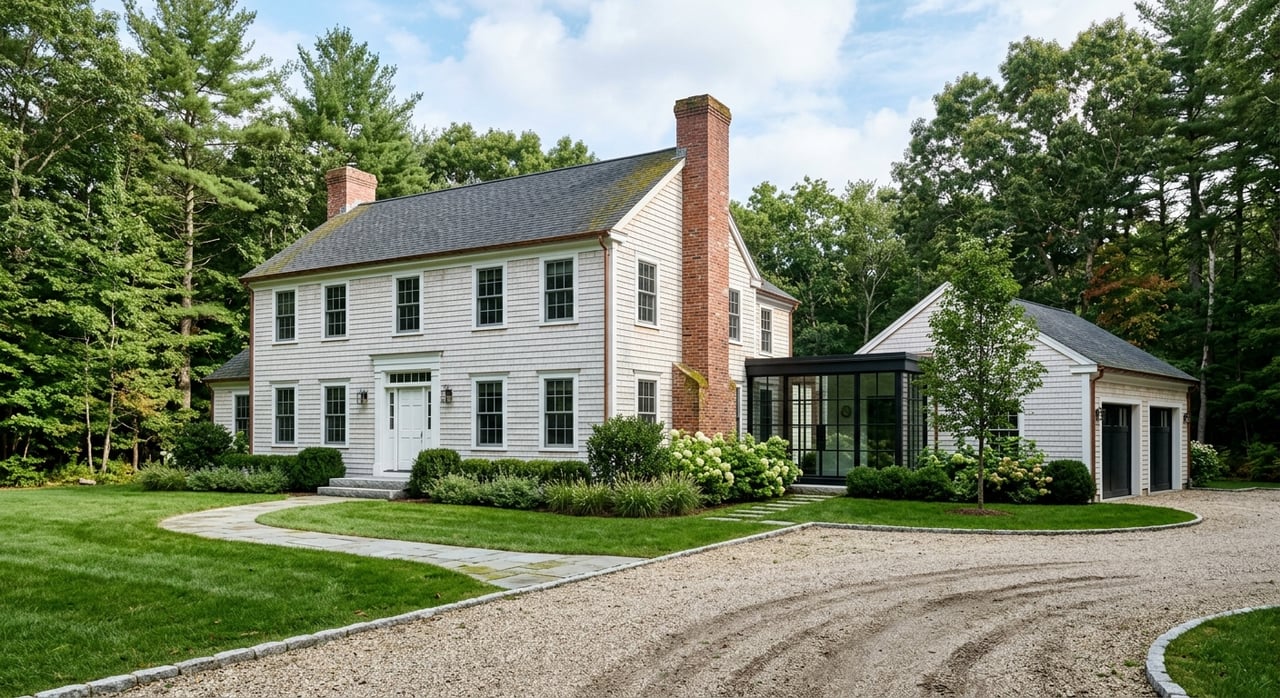
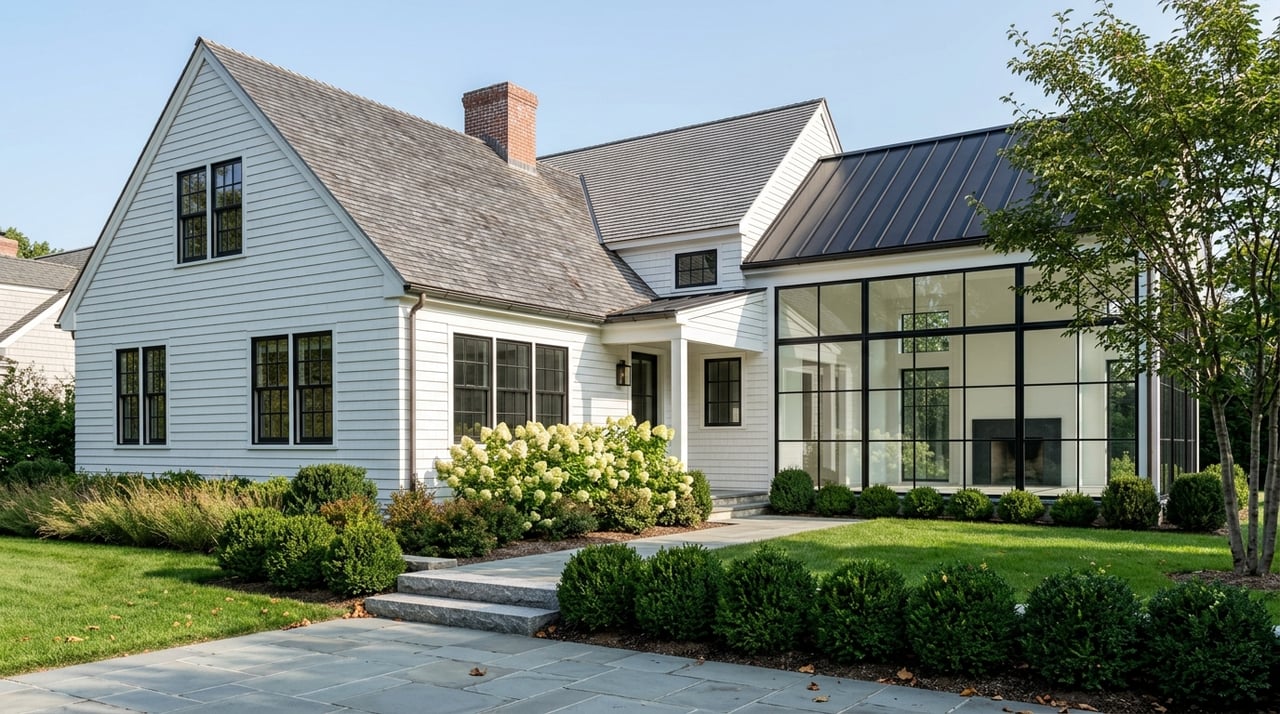
Expect buyers to prioritize move-in-ready homes with strong curb appeal, updated kitchens and baths, outdoor living spaces, and safe, documented access to the water. Waterfront and near-water homes often command a premium, but buyers also weigh risk and insurance factors. Clear paperwork on moorings, docks, and any prior permits helps a buyer feel confident.
Focus updates that pay off
You want improvements that a Foreside buyer will notice right away. Start with exterior impact, then target light-touch kitchen and bath updates, and make sure core systems are well documented.
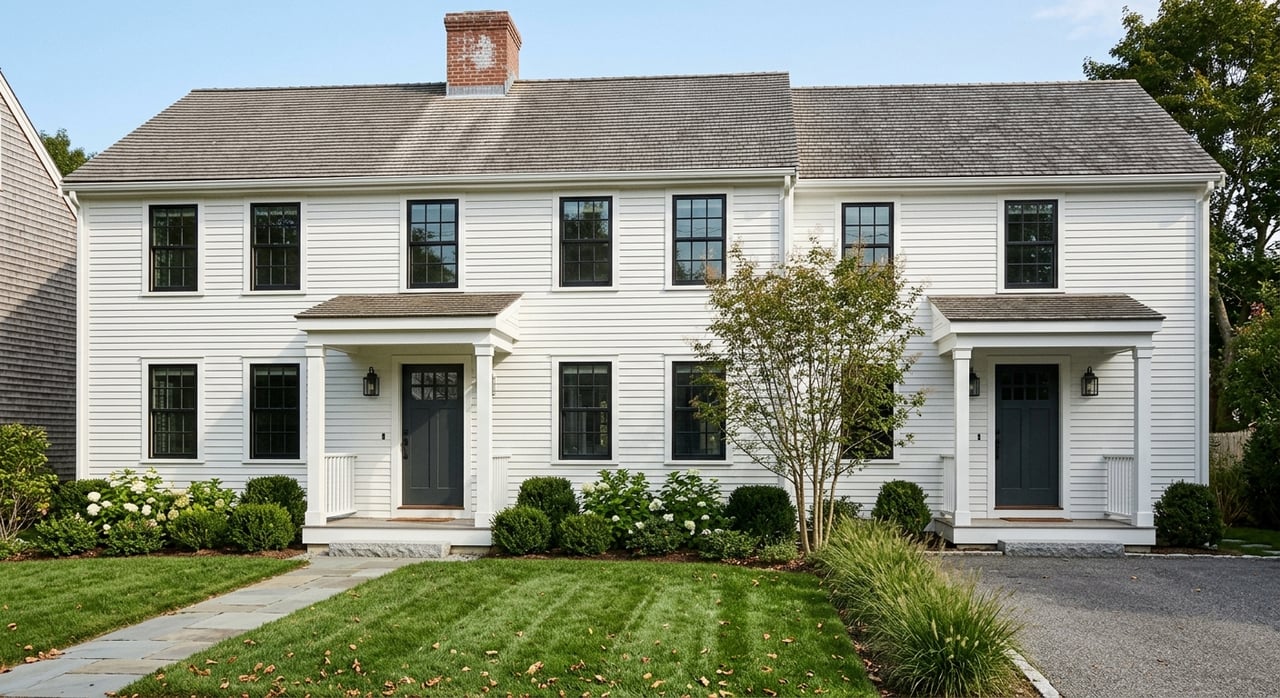
Fast curb appeal wins
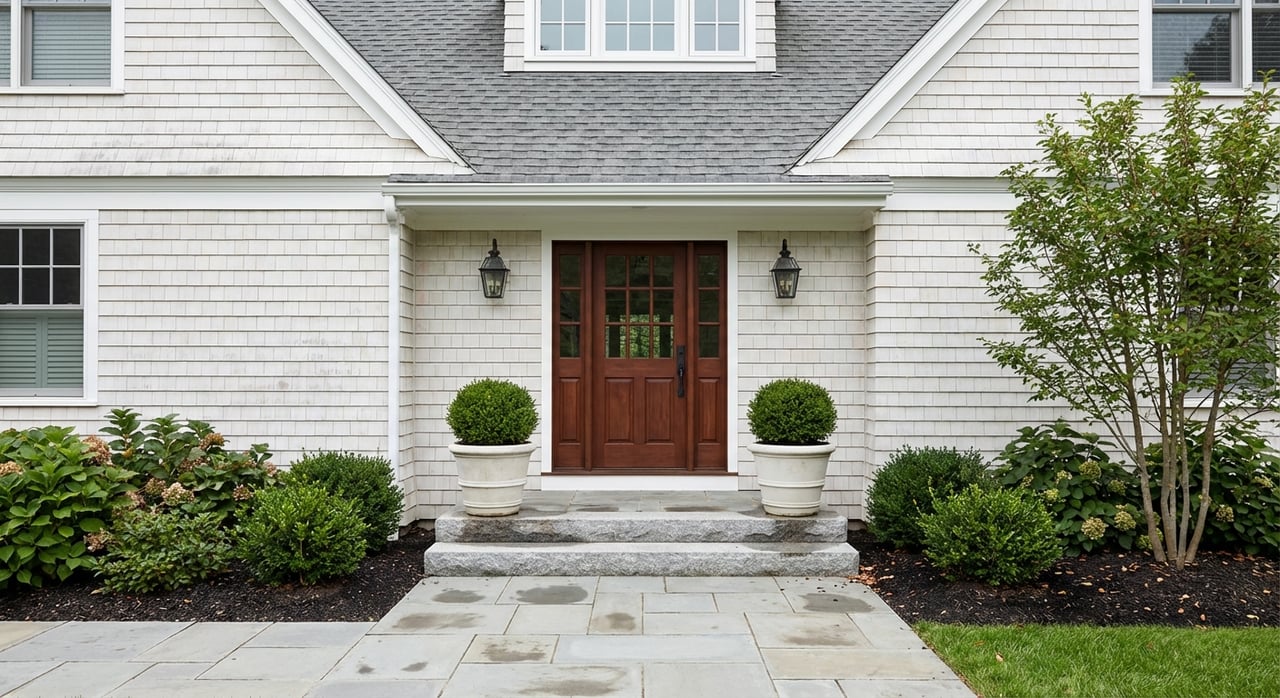
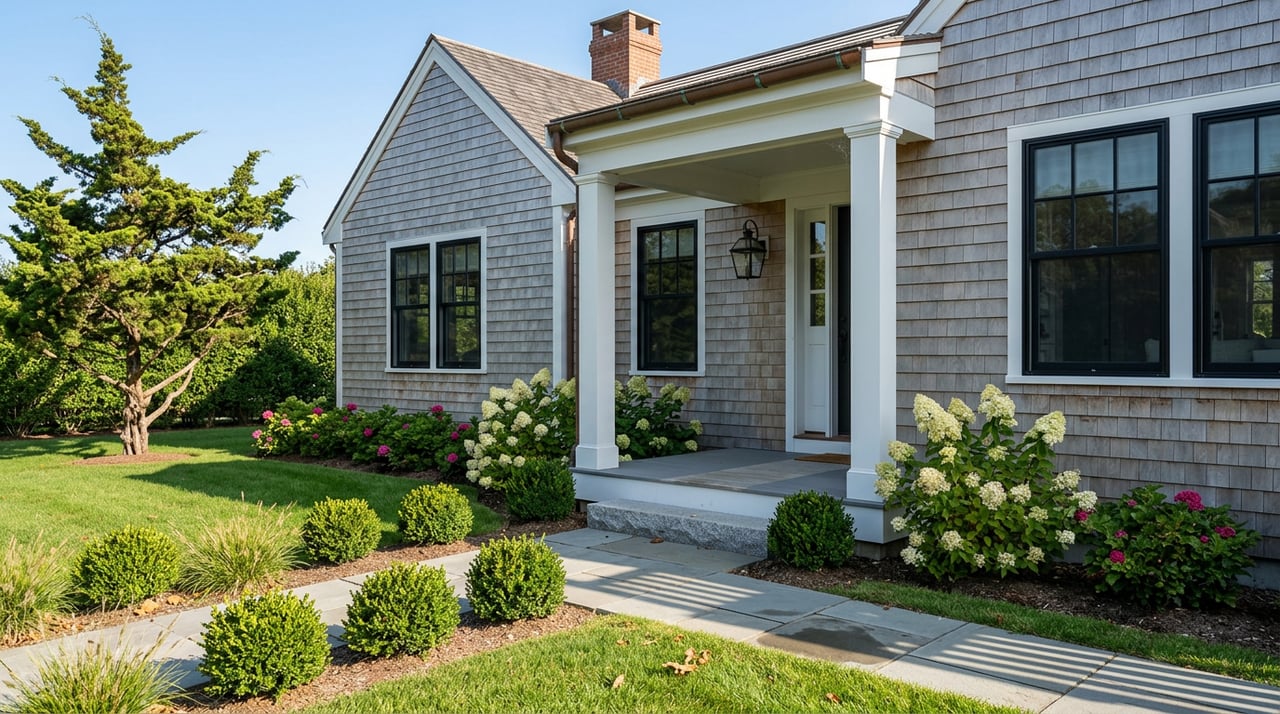
- Power-wash siding, stone, and walkways; clean windows and gutters. Tidy views to the water if applicable, and stage the front entry.
- Refresh the front and garage doors. Updated hardware with marine-grade finishes reads as quality and reduces maintenance signals.
- Address obvious paint touch-ups and trim repair. Choose coastal-rated products and corrosion-resistant fasteners to stand up to salt air. Coastal builders often recommend durable materials like fiber-cement siding, composite decking, and stainless hardware for longevity in marine climates. See guidance on coastal-durable materials and fasteners in this overview of weather-resistant choices for seacoast environments (durable coastal materials) and this primer on corrosion resistance near saltwater (prevent corrosion near the coast).
Why it works: Exterior projects consistently lead cost recovery in resale studies. In a coastal luxury niche, that first impression is often the difference between strong traffic and a slow launch.
Moderate projects for the next 1 to 3 months
- Kitchen refresh. Reface or paint cabinets, update hardware and lighting, and install midrange appliances and quartz or stone counters. Minor kitchen work often pays back better than a full gut if you plan to sell soon.
- Bath refresh. Replace tired vanities, mirrors, lighting, fixtures, and grout; consider a glass enclosure and neutral tile. Keep the palette bright and clean.
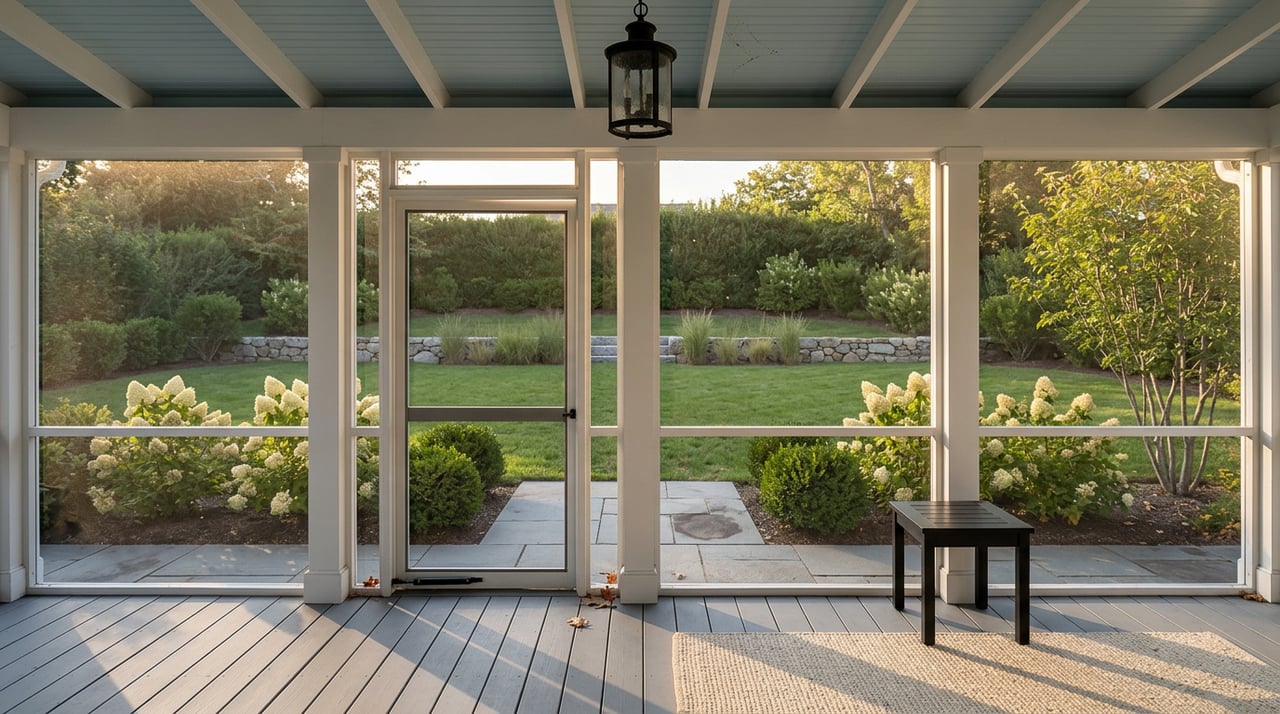
- Deck and railing updates. Replace decayed boards, consider composite upgrades, and check all stairs and railings for safety.
- Siding and trim. Where needed, repaint with high-quality coastal-rated paints, repair or replace rotted trim, and use marine-grade stainless fasteners where exposed.
Keep finishes neutral and high quality without getting too custom. Foreside buyers like tasteful coastal touches, not ultra-specific design.
Systems that build confidence
Upscale buyers notice clean inspection reports, modern mechanicals, and organized maintenance records.
- Heating and cooling. Heat pumps are attractive in today’s Maine market because they are efficient and versatile. Interest in heat pumps has stayed strong across the state, which makes a documented system a marketing asset (Maine heat pump adoption).
- Roof, electrical, and water heater. Fix known issues and have service records ready for buyers and inspectors.
- Wastewater. If you have a private septic, schedule a pump and inspection before you list and keep the report handy. If on public sewer, have that documentation available.
Waterfront, docks, and shoreline work
If your property has shore frontage or rights, present it with clarity. Buyers pay for confident, usable access. In practice, that means organizing documents and making smart repair choices before you list.
Prove access and condition
- Gather deed language and any paperwork on shore rights, moorings, and marina or yacht club arrangements.
- If you have a dock, get a marine contractor to evaluate basic safety items like planking, railings, hardware, and flotation. Small repairs often cost hundreds to a few thousand dollars, while piling or structural work can escalate into the tens of thousands depending on scope (typical dock repair ranges). Aim to fix minor safety and function issues and disclose anything larger with transparency.
Know when permits apply
Work below the normal high-water line usually triggers state or federal review. In Maine, the Natural Resources Protection Act governs structures in tidal waters, including piers and docks (NRPA and dock permitting overview). The Town of Falmouth also administers shoreland zoning based on state standards that limit what can be done within the shoreland area (Maine shoreland standards).
Many in-water activities also need authorization from the U.S. Army Corps of Engineers under Section 10 or 404. Some smaller projects may qualify under a regional or general permit, while larger work needs an individual permit with longer timelines (USACE regulatory guidance).
Practical takeaway: small repairs are often the best pre-listing move. New docks, bulkhead rebuilds, or dredging typically require engineering and multi-agency review, which can push you beyond a typical sale window.
Think resilience and living shorelines
If you are facing erosion, ask whether a nature-based solution could work instead of a traditional bulkhead. In the Casco Bay region, living shorelines can improve resilience and maintain a natural look in suitable locations, but they require site-specific design and may need permits (Casco Bay resilience guidance).
Plan for flood risk and insurance
Smart sellers get out ahead of flood and insurance conversations. Maine guidance recommends planning for about 1.5 feet of relative sea-level rise by 2050 and roughly 3.9 to 4.0 feet by 2100 along the state’s intermediate pathway, with higher scenarios used in some planning efforts (state sea-level benchmarks).
- Check your FEMA flood zone using the FEMA Map Service Center and save a copy for your files (find your FEMA FIRM).
- If your property sits in a Special Flood Hazard Area, consider ordering an elevation certificate and requesting flood insurance quotes from both NFIP and private markets.
- Share what you learn with your agent so buyers have context instead of surprises.
Your 6 to 18 month game plan
A clear sequence helps you control costs and hit the spring or summer market with confidence.
0 to 6 weeks: high-impact quick wins
- Declutter and neutralize decor; touch up interior paint in light, coastal-friendly colors.
- Power-wash exteriors, clean windows and gutters, and sharpen landscaping lines for curb appeal.
- Replace or refinish front and garage doors and upgrade entry hardware.
- Fix easy deck issues, update exterior lighting, and gather maintenance records.
- If waterfront, schedule a marine contractor walk-through for minor dock fixes.
1 to 3 months: moderate updates and inspections
- Complete a kitchen refresh and a midrange bath update with neutral finishes.
- Repair siding and trim; replace decayed boards and consider composite decking for durability.
- Service HVAC and consider a heat pump addition if appropriate to your home and budget (Maine heat pump adoption).
- Order a pre-listing home inspection so you can address items that could scare off buyers.
- If septic, schedule a pump and inspection.
3 to 12+ months: projects that may need permits
- New dock construction, major seawall or bulkhead work, or dredging will likely need engineering plus approvals from the town, Maine DEP, and the Army Corps. Timelines can run from weeks to many months depending on scope (USACE regulatory guidance).
- Major kitchen or bath gut remodels can pay off for long-term owners but are harder to recoup on a near-term sale. If you are within a year of listing, stick to smart refreshes unless your agent advises otherwise based on comps.
Pre-listing checklist for Foreside sellers
Use this as a working list as you plan your sale.
- Confirm utilities. Note whether your home is on public sewer or private septic; if septic, schedule a pump and inspection and keep the report.
- Order a pre-listing inspection. Fix safety or big-ticket items that can derail offers, and price remaining items into your strategy.
- Assemble waterfront documentation. Collect deed language on shore frontage, any mooring rights or marina agreements, and copies of past DEP or Army Corps permits for docks or seawalls.
- Check FEMA flood info. Look up your FEMA FIRM panel, and if needed, get an elevation certificate and insurance quotes to give buyers a clear picture (find your FEMA FIRM).
- Verify shoreland and in-water rules. Before any shoreline or dock work, review Maine shoreland standards and NRPA requirements, and ask the town and a marine contractor which permits apply (Maine shoreland standards, NRPA and dock permitting overview, USACE regulatory guidance).
- Prioritize ROI updates. Lead with curb appeal and light kitchen and bath refreshes, then tackle system items and small dock repairs that reduce buyer friction.
Getting these steps right helps your listing meet Foreside standards, reduce buyer objections, and support strong pricing.
Ready to build a property-specific plan and position your home for the market with premium photography, video, and polished presentation? Connect with the local team that blends deep coastal expertise with consultative prep. Let’s talk about your next move with Dambrie Garon Real Estate Advisors.
FAQs
Which pre-listing updates offer the best ROI for a Falmouth Foreside sale?
- Focus on exterior curb appeal first, then minor kitchen and bath refreshes, since these are the improvements buyers notice most and they usually recover more of their cost than major renovations.
Do I need a permit to repair my dock on Casco Bay before selling?
- Small, above-the-water safety fixes may be simple, but any work below the normal high-water line can trigger Maine DEP NRPA review and often U.S. Army Corps authorization, so check rules before starting.
Should I install a heat pump before I list my coastal home?
- If your system is due for an upgrade, a documented heat pump can be a selling point in Maine thanks to efficiency and year-round comfort, but weigh cost, timing, and your agent’s pricing strategy.
How should I handle flood insurance for a waterfront property sale?
- Look up your FEMA FIRM, consider an elevation certificate if you are in a Special Flood Hazard Area, and obtain quotes from NFIP and private markets so buyers see clear numbers early.
What if my shoreline shows erosion before I list?
- Ask a coastal engineer or marine contractor about nature-based options like living shorelines, which can be resilient and attractive in suitable sites but often require permitting.
Is it worth doing a major kitchen gut remodel right before selling?
- In most near-term sales, a tasteful midrange refresh beats a full gut on payback, so keep it simple unless your agent advises a larger project based on top comps.