Trying to decide between Cape Elizabeth and South Portland? You are not alone. These neighboring coastal towns offer very different day-to-day experiences, from commute patterns to coastal access and housing styles. In this guide, you’ll get a clear, local view of lifestyle tradeoffs, typical drive times, neighborhood character, and what to consider before you choose. Let’s dive in.
Quick snapshot
Both towns sit just south of Portland on Casco Bay, yet they feel distinct. Cape Elizabeth is mostly residential and coastal with scenic roads, larger lots, and a slower pace. South Portland blends residential neighborhoods with busy commercial corridors, shopping, and quicker highway access.
- If you value quiet coastal living, larger lots, and a small-town feel, you will likely lean Cape Elizabeth.
- If you want shorter highway access, more everyday services, and a wider range of housing types, South Portland often fits well.
Lifestyle and amenities
Cape Elizabeth day-to-day
Cape Elizabeth centers around parks, beaches, and community events. You will find a few small village-style shopping nodes and destination cafés, but fewer retail options overall. Many residents head into Portland for broader dining and shopping. Outdoor time is a daily perk, with scenic routes for walking, biking, and shoreline exploration.
Schools in Cape Elizabeth are widely regarded for strong performance and close community ties. District size is smaller, and families often point to community support as a plus. Always compare current programs and offerings to your family’s needs.
South Portland day-to-day
South Portland offers a more urban-suburban mix. You will find multiple grocery stores, medical and professional services, and varied dining spread across several commercial corridors. Neighborhoods range from walkable blocks near local beaches to areas close to shopping centers and job hubs.
The school district serves a larger, more diverse student population with a full slate of programs. If you prefer proximity to services, frequent errands, or local employment, South Portland can simplify your routine.
Recreation, culture, and seasonal flow
- Cape Elizabeth: Outdoor recreation leads the way. Fort Williams Park, Crescent Beach, and Two Lights anchor a lot of weekend plans. Summer brings more visitors, which can affect parking and traffic around major attractions.
- South Portland: You get local beaches and waterfront parks, plus quick access to Portland’s cultural scene. Seasonal beach days at Willard are popular, but commercial activity and year-round services spread out the traffic patterns.
Commutes and transportation
If you commute to Portland or travel frequently along I-295 or I-95, your location in these towns makes a noticeable difference.
Typical drive times
- To downtown Portland: From many South Portland neighborhoods, plan roughly 10 to 20 minutes depending on starting point and traffic. From Cape Elizabeth, plan roughly 15 to 30 minutes. Summer traffic near parks and narrow coastal roads can add time in Cape Elizabeth.
- To South Portland job hubs: Living in South Portland often shortens the drive to retail, port, healthcare, and industrial areas. From Cape Elizabeth, drives can take longer and vary by specific route.
- Regional travel: South Portland’s immediate access to highways generally speeds trips to points north and south.
Transit, biking, and walking
- Public transit: South Portland is better served by regional bus routes that connect into Portland and other nodes. Coverage and frequency are more limited in Cape Elizabeth, where you may rely more on a car or park-and-ride.
- Biking and walking: South Portland offers more continuous sidewalks in denser neighborhoods and some bike infrastructure. Cape Elizabeth provides scenic routes tied to parks, although commuting routes can be less continuous.
Traffic and parking patterns
- Cape Elizabeth: Expect parking constraints and congestion near Fort Williams Park and Crescent Beach on summer weekends.
- South Portland: Peak-hour slowdowns are common near highway ramps, Route 1 and Broadway, and shopping centers.
Housing and costs
What you will find
- Cape Elizabeth: Predominantly single-family homes on larger lots, including properties near the shore. New development is limited, and condos or multifamily options are less common.
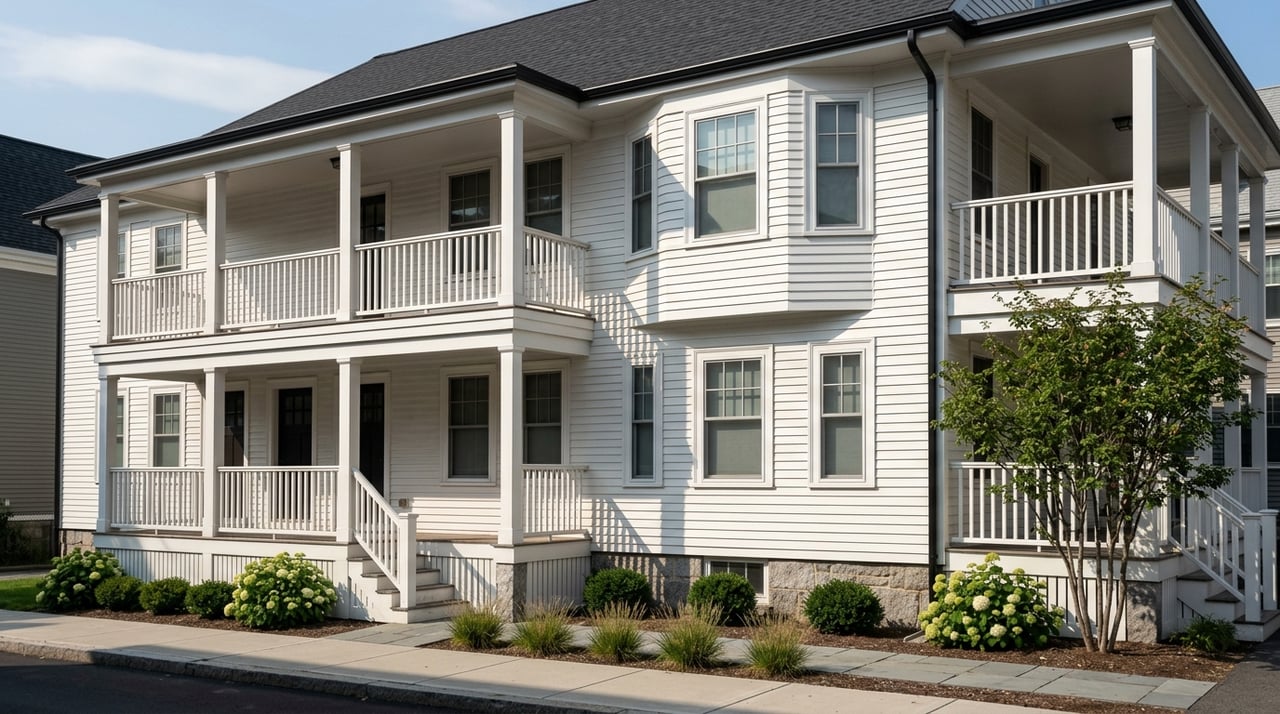
- South Portland: A broad mix that includes single-family homes, duplexes, small apartment buildings, and condos. You will see more entry-level and varied options across neighborhoods.
Price dynamics and inventory
Cape Elizabeth typically carries higher median sale prices and price per square foot, especially for homes with coastal views or easy beach access. South Portland usually offers a lower entry point and more varied housing types, including options for buyers seeking condos or small multi-unit investments. Inventory, days-on-market, and pricing shift quickly by neighborhood, so plan to review current data when you are ready to shop.
Ownership costs and taxes
Property tax rates and assessed values vary by municipality. Higher purchase prices in Cape Elizabeth can translate into higher total tax bills, though you should confirm the rate and assessment details for each property. Factor in homeowners insurance and potential flood coverage if you are near the shoreline in either town.
Coastal access and parks
Both communities shine when it comes to the coast, but the experiences differ.
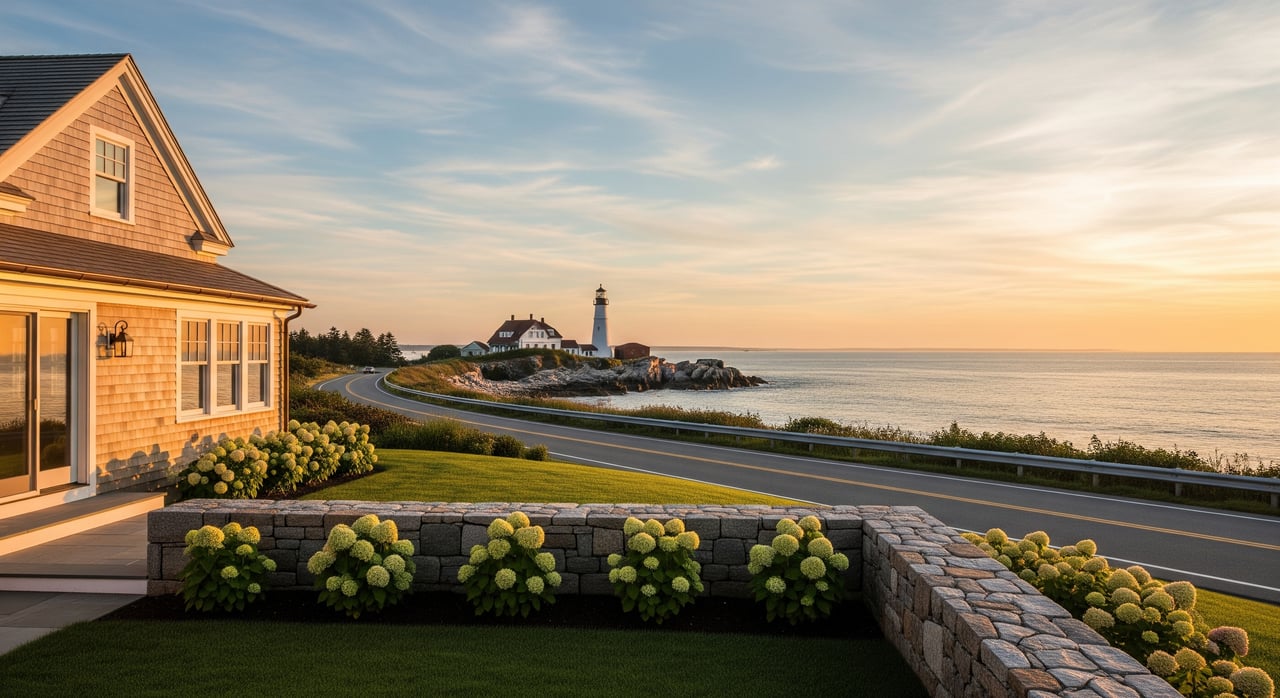
- Cape Elizabeth: Fort Williams Park with Portland Head Light, Crescent Beach State Park, and Two Lights State Park are signature draws. Scenic shoreline walks, tidepools, and broad coastal views are a daily privilege for many residents.
- South Portland: Willard Beach, Bug Light, and the Spring Point Ledge area offer sandy beaches, harbor views, and waterfront paths near neighborhoods. You get quick coastal access with more nearby services.
Remember that both towns have a mix of public and private shoreline. Always verify property boundaries, public-rights of way, and any conservation easements before assuming access.
Climate and coastal risk
Coastal living comes with exposure to storms and potential flooding. Risk levels vary by neighborhood, elevation, and distance to the shore. Before you buy near the water in either town, plan to:
- Check flood zone status and local floodplain ordinances.
- Request elevation certificates and ask about recent flood history.
- Review municipal planning documents for resilience and hazard mitigation efforts.
- Get quotes for homeowners and flood insurance early in your due diligence.
These steps help you set a realistic budget, understand long-term risk, and compare properties on more than just view and proximity to the water.
How to choose your best fit
Use this quick framework to match your lifestyle and priorities with the right town.
Priorities and pace
- Choose Cape Elizabeth if you want quieter, scenic living, larger lots, and a slower pace near parks and beaches.
- Choose South Portland if you need quick highway access, a larger selection of everyday services, and a broader housing mix.
Commute and travel
- Daily commute to downtown Portland or regional highways: South Portland often saves time.
- Remote or flexible work, or a preference for scenic drives: Cape Elizabeth’s lifestyle can outweigh longer drive times.
Housing type and budget
- Single-family homes with larger lots or coastal proximity: Cape Elizabeth is your target, with tighter supply and higher prices.
- Condos, starter homes, small multis, or investment options: South Portland provides more variety and potential entry points.
Schools and family needs
- Compare programs, extracurriculars, and district size based on your family’s goals. Both towns offer strong community support and a range of opportunities.
Walkability and errands
- If walking to dining, groceries, or transit is high on your list, focus on South Portland neighborhoods close to commercial corridors.
Seasonal patterns
- If you want to avoid seasonal visitor traffic, consider distance from Fort Williams, Crescent Beach, and Willard Beach when you select a neighborhood.
What buyers often compare
- Day-to-day convenience: South Portland’s services and highway access vs. Cape Elizabeth’s smaller retail footprint and Portland trips.
- Neighborhood character: Cape Elizabeth’s quiet coastal roads vs. South Portland’s mix of walkable blocks and busier commercial areas.
- Housing mix: Cape’s single-family focus vs. South Portland’s range from condos to small multis.
- Coastal lifestyle: Cape’s state parks and landmark lighthouse views vs. South Portland’s neighborhood beaches and harbor promenades.
- Commute rhythm: Shorter, more direct routes in South Portland vs. scenic, sometimes longer drives in Cape Elizabeth.
Ready to compare specific neighborhoods and homes that fit your routine, budget, and wish list? Reach out to the local advisors at Dambrie Garon Real Estate Advisors for a tailored plan and on-the-ground guidance.
FAQs
How do commute times to downtown Portland compare?
- From South Portland, many neighborhoods run about 10 to 20 minutes depending on traffic. From Cape Elizabeth, plan about 15 to 30 minutes, with more seasonal variability near parks and coastal roads.
Which town has better public transit coverage?
- South Portland generally has more bus route coverage and frequency that connects to Portland and regional nodes. Cape Elizabeth has limited fixed-route service and higher car dependence.
How do housing types and prices differ?
- Cape Elizabeth skews to single-family homes on larger lots with higher price points, especially near the shore. South Portland offers a wider mix, including condos and small multis, and often a lower entry price.
Where will I find the quickest coastal access?
- Cape Elizabeth features major public coastal parks and beaches that anchor the town’s lifestyle. South Portland offers neighborhood-accessible options like Willard Beach and waterfront parks near services.
How do the school districts compare?
- Cape Elizabeth’s smaller district is widely regarded for strong performance and community support. South Portland serves a larger, more diverse student population with a full range of programs. Compare current offerings to your family’s needs.
What should I know about flood risk and insurance near the coast?
- Risk varies by neighborhood and elevation. Before you buy, verify flood zone status, request elevation certificates, ask about flood history, and obtain insurance quotes to understand true ownership costs.