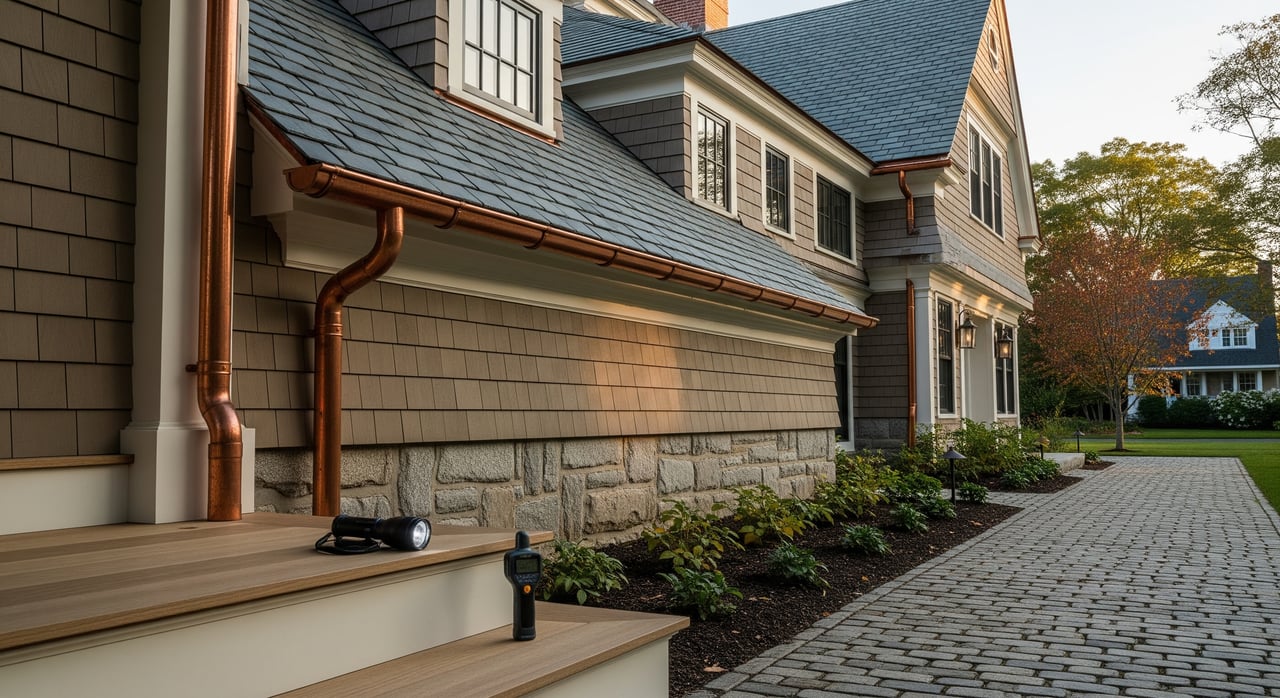
What to Expect from a Portland ME Home Inspection
December 4, 2025
December 4, 2025
Buying a home in Portland is exciting, but the inspection can feel like the moment of truth. Older New England houses have character, and they also have systems that need a careful look. You want to know what you’re buying, what it might cost to fix, and how to use the findings to protect your budget. This guide breaks down what a standard inspection covers, Portland-specific watchpoints, typical costs and timing, and smart ways to negotiate. Let’s dive in.
A standard pre-purchase home inspection is a visual, non-invasive evaluation of the home’s accessible components on the day of the inspection. It identifies defects, safety hazards, and the likely remaining life of major systems. It is not a guarantee of future performance and does not open walls or perform destructive testing.
Inspectors typically evaluate:
Typical exclusions unless separately contracted include environmental testing (radon, lead, mold, asbestos), underground fuel tanks, sewer line condition, and municipal systems. Inspectors follow national standards and will outline their specific limitations in the report.
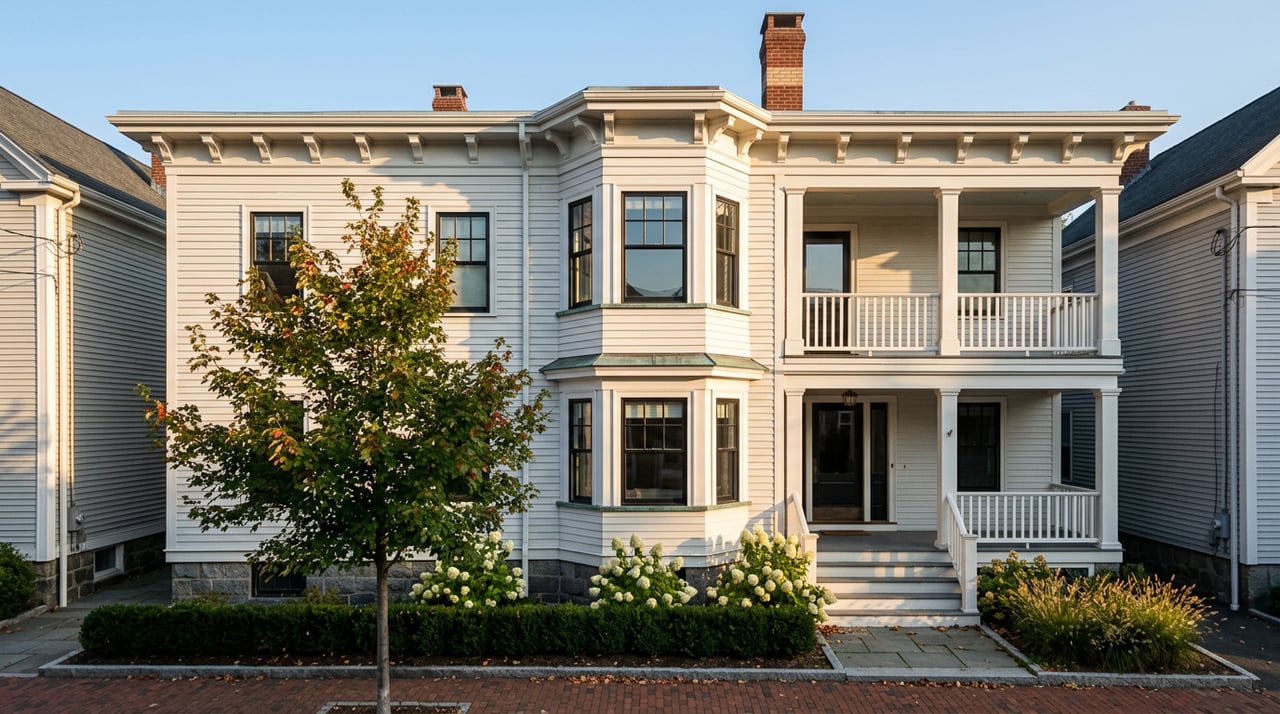
Portland has a large share of older homes and historic neighborhoods. You may see plaster walls, original or aging windows, and older wiring such as knob-and-tube in some properties. Inspectors focus on whether electrical systems need updating, whether plaster shows movement or moisture history, and how the building was framed.
Heating systems often include oil-fired equipment and boilers, with oil tanks located above or below ground. Inspectors will note tank location and visible condition. If a buried tank is suspected, specialized environmental screening is usually recommended.
Chimneys and flues deserve close attention in older homes. Portland’s coastal climate and freeze–thaw cycles also make roof drainage, gutters, flashing, and attic ventilation important to reduce ice dam risk. Radon testing is commonly recommended in Maine and is typically an add-on.
Inside city limits, most properties connect to municipal sewer. Properties on the outskirts of Portland or elsewhere in Cumberland County can have septic systems that need a separate septic inspection and pump records. Some coastal or low-lying areas are in FEMA Special Flood Hazard Areas, where flood insurance and elevation certificates may come into play. Environmental considerations for older properties can include lead paint (pre-1978), asbestos in older materials, and legacy underground oil tanks. These items usually require separate testing.
Most buyers schedule inspections during the contingency period written into the purchase agreement. In the Portland area, contingency windows commonly range from about 5 to 14 calendar days after acceptance, depending on market conditions. Schedule as soon as your offer is accepted so you have room for add-ons like radon testing or a sewer scope and time to gather contractor estimates.
If you anticipate extra tests or need quotes for repairs, allow at least 7 to 10 days in your contingency to keep the deal on track.
A typical inspection takes about 1.5 to 4 or more hours on-site, depending on the home’s size, age, and complexity. Larger or historic properties can take longer. Many inspectors deliver a written report with photos within 24 to 72 hours. Some provide same-day highlights and follow with the full report.
For a standard general home inspection in Greater Portland, expect approximately:
Prices vary by inspector qualifications, property size, and access. Always request a written scope and fee estimate.
Some lenders, especially for FHA or VA loans, may require certain safety repairs before closing. Older homes may prompt insurers to request a limited 4-point inspection focused on HVAC, electrical, plumbing, and roof. A 4-point is not a substitute for a full home inspection, but it can be required for insurance on older properties.
Portland’s housing stock and climate make certain ancillary services especially useful. These are typically separate from a standard inspection:
Inspection results are most effective when you group them by priority and approach the seller with clear, documented requests.
Get contractor quotes for larger items rather than relying on rough estimates. Confirm with your lender and insurance agent if specific issues could affect financing or coverage. Items like a roof in poor condition, a failed heating system, unknown oil tanks, or inadequate electric service capacity can impact underwriting.
Historic homes can trigger code upgrades when you open walls or replace systems. If the inspection reveals knob-and-tube wiring or significant electrical updates, account for possible permit and upgrade costs in your negotiation. If the property is in a flood zone, estimate flood insurance premiums and factor them into your overall housing cost.
Credits are often simpler and reduce delays. If you prefer repairs before closing, build in time for re-inspections and verification.
A thorough inspection gives you clarity and leverage, especially with Portland’s older homes. By understanding what a standard inspection covers, adding the right local tests, and approaching negotiations with a clear plan, you can protect your purchase and your long-term budget. If you want local guidance at each step, from choosing the right inspector to prioritizing repair requests, our team is here to help.
Ready to move forward with confidence? Connect with the advisors at Dambrie Garon Real Estate Advisors to map out your inspection strategy and your next move.


Fill out the form below to learn more about buying or selling a house in your area.
Dambrie Garon Real Estate Advisors offers their clients particular expertise in the buying and selling of single and multi-family properties, new construction, and subdivision projects. Our clients benefit from our insights into home renovations, knowing where and how much to invest to bring a property to its highest and best use, whether for renovation and resale or renovation for the families' own use.