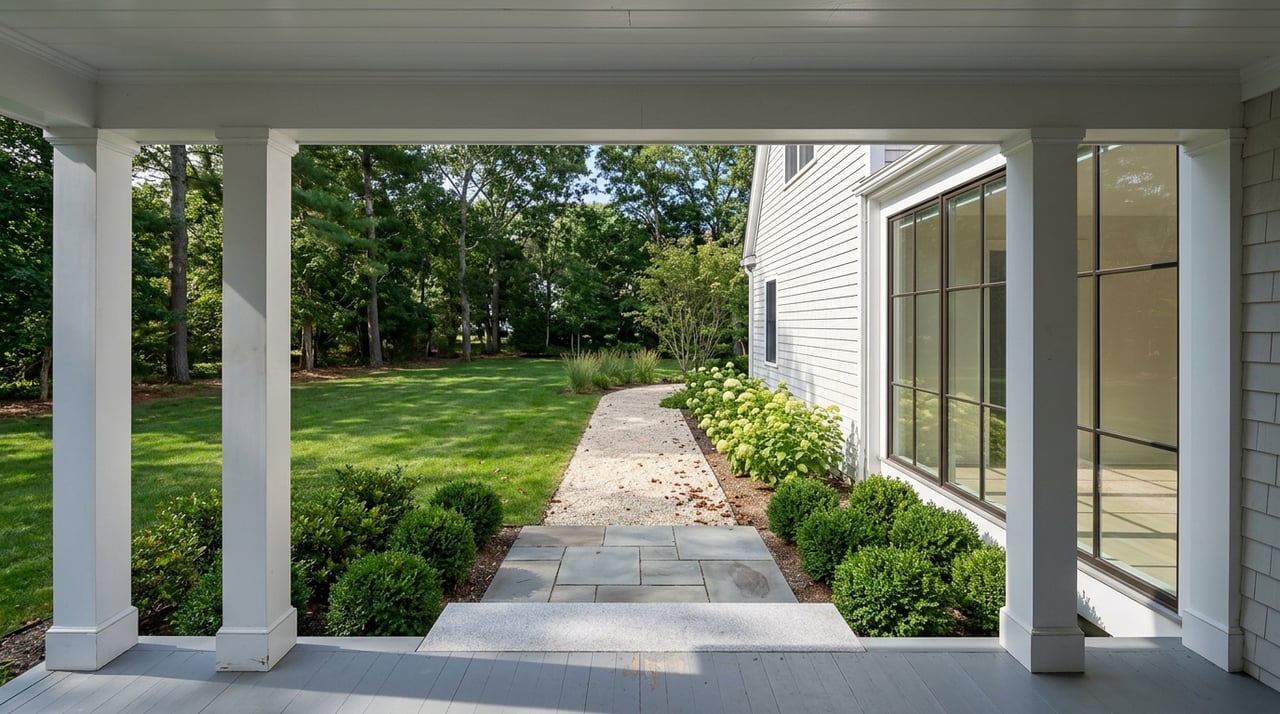
South Portland Greenbelt Living: A Local Area Guide
July 9, 2026
July 9, 2026
If your ideal South Portland day includes a morning walk by the water, quick access to parks, and a neighborhood where daily errands do not always require a long drive, living near the Greenbelt is worth a closer look. This part of South Portland blends trail access, waterfront scenery, and established neighborhood fabric in a way that feels practical as well as picturesque. If you are thinking about buying near the Greenbelt, this guide will help you understand what daily life, housing options, and tradeoffs really look like. Let’s dive in.
The Greenbelt Walkway is one of South Portland’s signature public amenities. According to the city’s current facility information, it spans 5.6 miles from the Wainwright Athletic Complex near the Scarborough line to Bug Light Park.
It is ADA-accessible and designed for walkers, runners, cyclists, and winter users. The route also serves as the eastern terminus of the Eastern Trail and is part of the East Coast Greenway, which adds to its appeal for people who value active transportation and outdoor recreation.
What makes the Greenbelt especially appealing is how much variety it packs into one corridor. As it passes through Ferry Village, Knightville, Pleasantdale, and Broadview Park, you move between neighborhood settings, waterfront views, and natural areas with fields, wetlands, marshes, and woods.
Living near the Greenbelt is not just about having a trail nearby. It is about how that trail connects you to parks, neighborhood hubs, and day-to-day routines in South Portland.
For many buyers, that is the real advantage. You are not choosing an isolated scenic feature. You are choosing a location tied into a broader network of public spaces, local businesses, and transportation options.
Bug Light Park anchors the eastern end of the Greenbelt and adds more than views. The 8.78-acre park includes a boat launch, picnic areas, seasonal restrooms, harbor views, and a seasonal calendar with community events like kite festivals, summer movie nights, a car show, and Fourth of July programming.
Mill Creek Park offers a different kind of daily rhythm. This 10-acre downtown park is bisected by the Greenbelt and includes a pond, rose garden, gazebo, and seasonal events such as tree lighting, Winterfest, ice skating, concerts, and Art in the Park.
At the inland end, Wainwright Recreation Complex gives the corridor another layer of usability. The city says the property has more than 66 acres of athletic fields, ski trails, snowshoeing, and walking opportunities, with the Greenbelt passing through it.
Together, these spaces help explain why the area feels active year-round. South Portland also maintains more than 350 acres of parks, trails, recreational facilities, and coastline, so the Greenbelt connects into a larger civic park system rather than standing alone.
If you want coastal access built into everyday life, this area delivers. Willard Beach is a four-acre sand-and-pebble beach near Southern Maine Community College and Fisherman’s Point, with a summer bathhouse, restrooms, a snack bar, outdoor showers, and a free 75-car lot.
The beach also connects to the Spring Point Shoreway and Fisherman’s Point overlook. The Spring Point Shoreway runs 1.6 miles from Fisherman’s Point to Bug Light Park, passing Fort Preble, Spring Point Light, and the granite breakwater, which creates a near-continuous coastal walking experience in this part of South Portland.
That said, waterfront access here comes with some practical realities. Willard Beach has no on-street parking, and the city participates in the Maine Healthy Beaches program, testing bacteria levels twice per week from Memorial Day through Labor Day and posting advisories when needed.
The Greenbelt passes through some of South Portland’s most recognizable neighborhood areas, and each adds something a little different to the living experience. If you are home shopping nearby, it helps to think less in terms of one single Greenbelt neighborhood and more in terms of a connected corridor.
Knightville and Mill Creek function as a mixed-use civic and residential core around Broadway and Ocean Street. City planning documents have long described this area as a walkable urban village, with room for cafes, coffee shops, galleries, artists’ studios, and additional housing.
For buyers, that translates into convenience and activity. You may find yourself close to parks, transit, and local businesses, with a setting that feels more connected and compact than many suburban locations.
Ferry Village adds a strong neighborhood identity of its own. The city’s plan describes it as having a solid mixed housing stock of single-family and multi-family residences, along with business and service enterprises, sidewalks, walkways, bikeways, and tree-lined streets.
That mix matters if you want character and flexibility. It suggests a neighborhood pattern where homes, smaller residential buildings, and local commercial uses exist side by side, rather than a one-format housing environment.
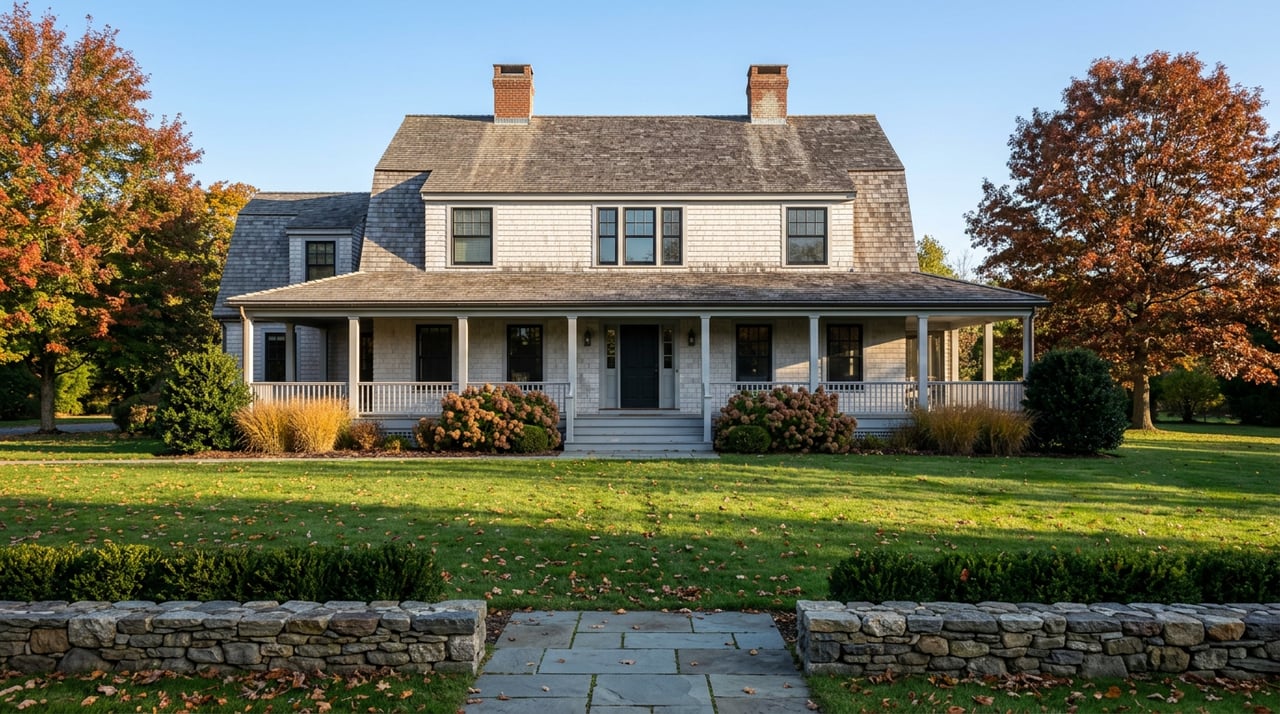
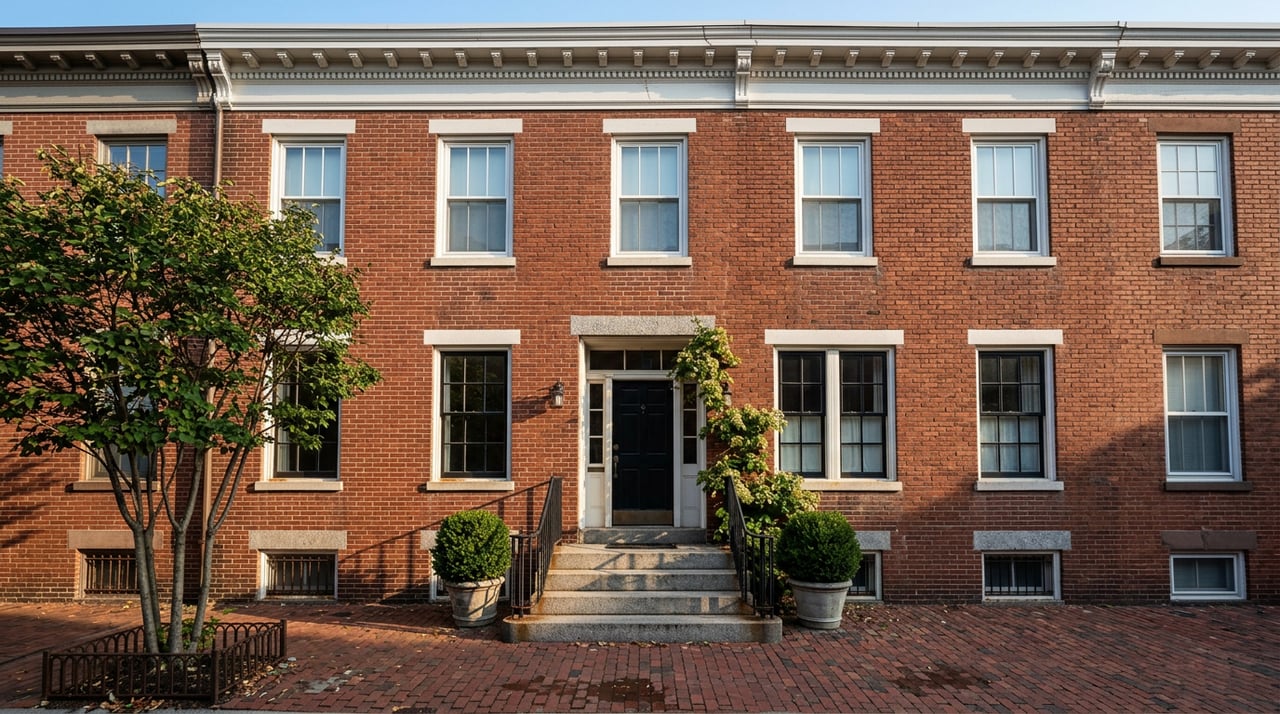
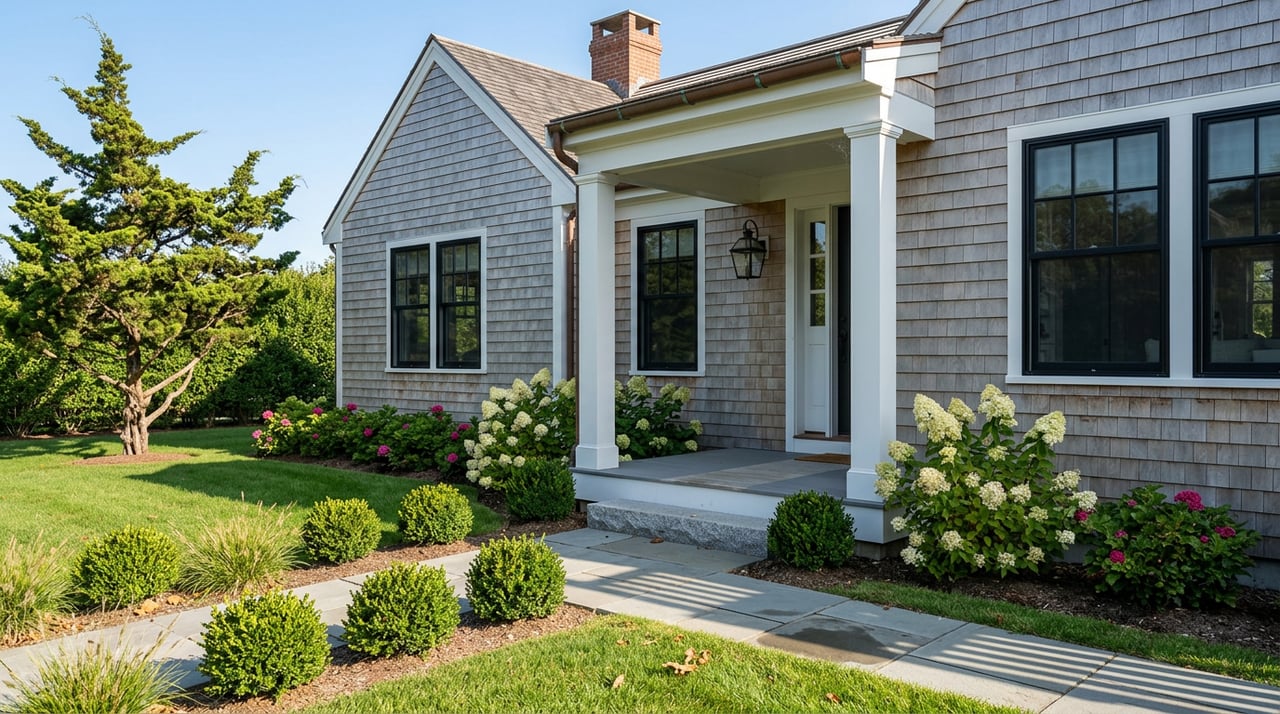
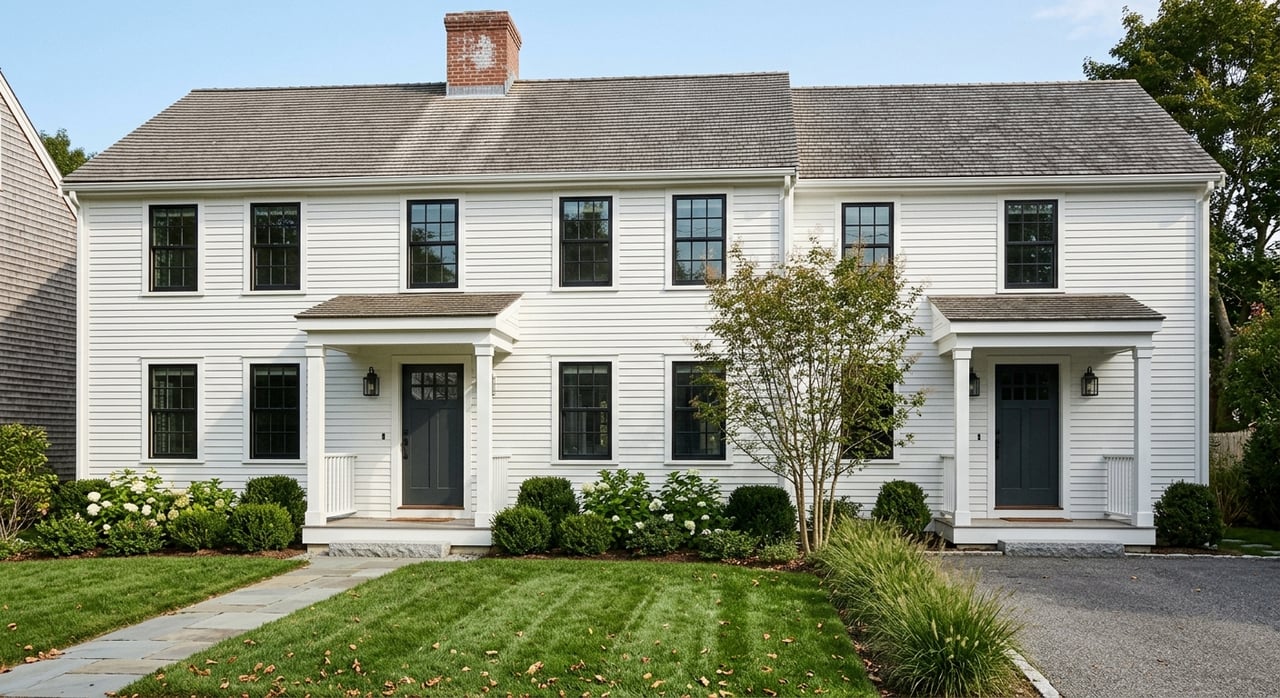
One of the strengths of living near the Greenbelt is variety. This part of South Portland is a good fit for buyers who want options, whether that means a classic single-family home, a condo, a multi-family property, or a mixed-use-adjacent setting.
Citywide, South Portland’s housing assessment found about 6,884 single-family units and 3,953 multi-family units in 2019. The same report noted that South Portland has a denser housing mix than many surrounding communities and has seen a gradual shift toward renter-occupied and owner-occupied multi-family housing.
That broader pattern shows up near the Greenbelt corridor. Planning documents for Knightville, Mill Creek, and Ferry Village point to a blend of single-family homes, multi-family residences, mixed-use buildings, and redevelopment opportunities, including housing above ground-floor commercial space in some areas.
If you are searching in this part of South Portland, it is smart to expect a mix rather than a single dominant product type. Depending on the block and the immediate surroundings, you may encounter:
That range can be a plus if your priorities are flexible. It can also mean that block-by-block differences matter, especially when you are comparing walkability, parking, lot size, or how close you want to be to busier public areas.
When buyers start narrowing in on the Greenbelt area, it helps to first understand the citywide baseline. According to the Census Bureau’s 2020 to 2024 ACS QuickFacts, South Portland had an owner-occupied housing rate of 58.1 percent, a median owner-occupied home value of $441,200, and a median gross rent of $1,812.
Those numbers are citywide, not specific to the Greenbelt corridor. Still, they offer a useful starting point for understanding the broader South Portland market before you compare specific neighborhoods, property types, and waterfront-adjacent locations.
For buyers who care about mobility, this location has more going for it than scenic walking paths. South Portland adopted a Complete Streets policy in 2017 and later a Street Design Technical Manual, reflecting a city goal of safer and more convenient travel for walking, biking, scootering, and other non-car modes.
That policy backdrop matters because it supports the kind of lifestyle many Greenbelt-area buyers want. You are looking at an area where trail access, sidewalks, and neighborhood connectivity are part of the city’s broader transportation approach.
Greater Portland Metro Route 21 currently serves Downtown Portland, the Millcreek Transit Hub, Southern Maine Community College, Mill Creek Park, Willard Beach, Spring Point Light, Bug Light, and Ferry Village stops. For some residents, that creates the option to combine walking, biking, and bus service for errands, commuting, or leisure.
Even if you still rely on a car, transit access can add flexibility. It can also make this area more attractive if you want a routine that feels a little less car-dependent than other parts of the region.
The Greenbelt area offers a lot, but it is not a one-size-fits-all choice. Popular public amenities bring energy and convenience, yet they can also bring seasonal crowds, tighter parking, and more activity during peak months.
Willard Beach is a good example. The access is a real lifestyle benefit, but the limited lot size, no on-street parking rule, and seasonal monitoring can shape how and when you use it.
The same is true in a broader sense near Bug Light Park and Mill Creek Park. Living nearby can mean easy access to events, public spaces, and waterfront scenery, but it may also mean more foot traffic and a busier atmosphere at certain times of year.
Living near the Greenbelt may be especially appealing if you want a South Portland location that feels coastal without being purely seasonal. It can make sense for first-time buyers, move-up buyers, and long-term owners who value recreation, neighborhood connectivity, and a mix of housing types.
It may also appeal to buyers who want to be close to established neighborhood centers rather than in a more isolated setting. If your wish list includes walks to parks, quick access to the waterfront, and a location woven into everyday South Portland life, this corridor deserves a serious look.
Buying near the Greenbelt often comes down to matching your priorities with the right block, property type, and level of activity. If you want help comparing homes near Willard, Ferry Village, Knightville, Mill Creek, or Bug Light, Dambrie Garon Real Estate Advisors can help you evaluate the lifestyle, housing mix, and local market details so you can make a confident move.
Fill out the form below to learn more about buying or selling a house in your area.
Dambrie Garon Real Estate Advisors offers their clients particular expertise in the buying and selling of single and multi-family properties, new construction, and subdivision projects. Our clients benefit from our insights into home renovations, knowing where and how much to invest to bring a property to its highest and best use, whether for renovation and resale or renovation for the families' own use.