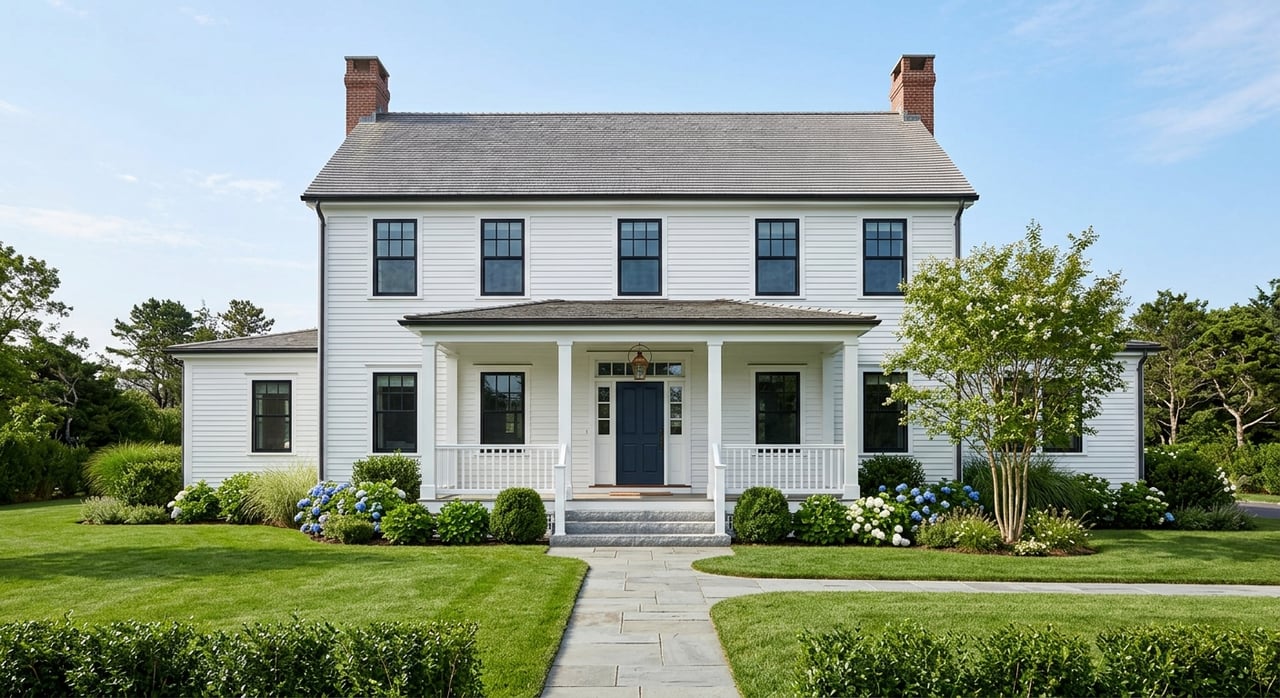
Smart Cape Elizabeth Home Marketing for Coastal Properties
June 18, 2026
June 18, 2026
Wondering why some Cape Elizabeth coastal homes command instant attention while others sit longer than expected? In a market where buyers often start online and where premium pricing still has to be earned, your marketing strategy can shape the outcome as much as the address itself. If you are planning to sell, this guide will show you how to position a coastal home in Cape Elizabeth with more precision, better visuals, and stronger local storytelling. Let’s dive in.
Cape Elizabeth is a premium coastal market, but it is not a market where vague luxury language does all the work. Redfin data for the three months ending May 2026 shows a median sale price of $817,011, 49 days on market, and a 100.2% sale-to-list ratio. That tells you buyers are paying attention, but they are still weighing value carefully.
The wider Cumberland County market adds context. Maine Realtors reported a county median sales price of $560,000 for the rolling quarter ending March 31, 2026, while Realtor.com described Cumberland County as a buyer’s market in March 2026 with 853 active listings and a 48-day median days-on-market figure. In other words, Cape Elizabeth can support premium positioning, but your home still needs a thoughtful launch.
For coastal homes in Cape Elizabeth, the strongest marketing angle is usually not just the word “coastal” or “oceanfront.” It is the actual experience your property offers. Buyers want to understand what the home sees, how the light moves through it, and how outdoor spaces connect to daily life.
That matters because Redfin’s local trend data shows views among the top features with the highest sale-to-list ratios in Cape Elizabeth. If your property has water views, long sightlines, strong natural light, or a sun room that frames the outdoors, those are not minor details. They are features that deserve to be front and center in the marketing.
If your home has a compelling outlook, your photos and listing description should prove it quickly. That may mean highlighting upper-level rooms, living spaces with oversized windows, or decks that capture open sky and water. The goal is to help buyers understand the relationship between the home and the coast within seconds.
A beautiful view should also be grounded in accuracy. If the view is seasonal, partial, or best from one room or level, describe it that way. Clear language builds trust and helps attract the right buyers.
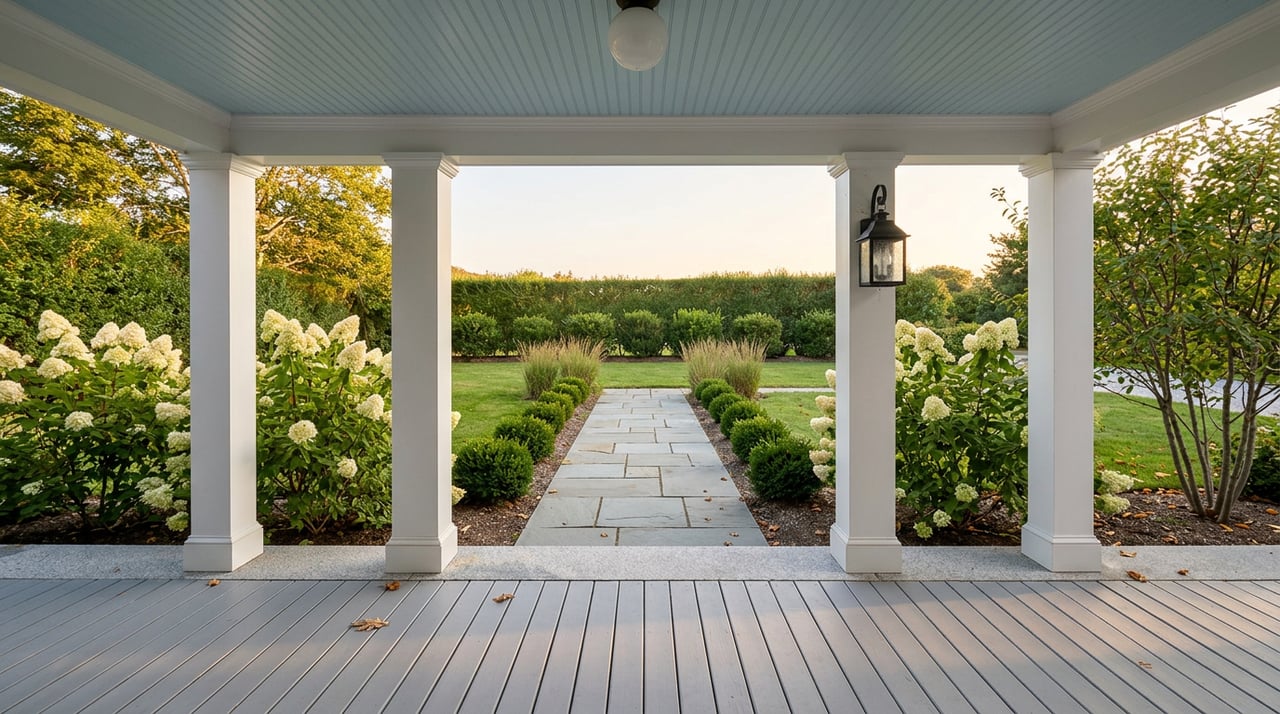
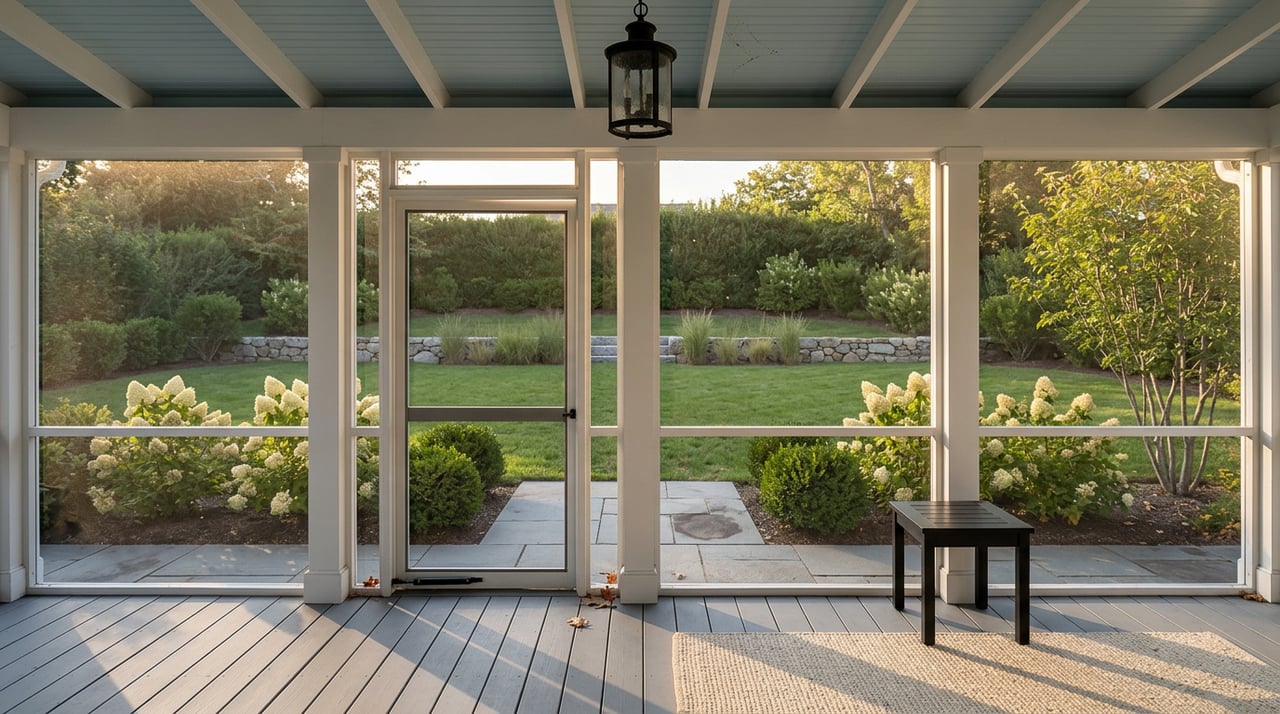
Decks, patios, lawns, and sun rooms should look intentional, not empty. In a Cape Elizabeth coastal listing, buyers often respond to the idea of how they would actually use the property, whether that means morning coffee outside, entertaining on a patio, or relaxing in a bright sitting area.
NAR’s 2025 staging data supports this approach. Outdoor and yard space are among the areas commonly staged, and many agents reported that staging helped reduce time on market. For sellers, that means clean furniture placement, trimmed landscaping, and a clear sense of function can go a long way.
Cape Elizabeth gives you strong location-specific details to work with, but they have to be used carefully. The town is known for beaches, trails, parks, and lighthouses, with Fort Williams Park standing out as one of its most visited destinations. Portland Head Light, built under George Washington’s orders, is one of the area’s most recognizable landmarks.
Nearby outdoor assets also help tell a richer story when they truly apply to the property. Crescent Beach State Park offers a mile-long crescent-shaped beach, Kettle Cove State Park includes a walking trail around the cove, and Two Lights State Park is known for rocky headlands and wide coastal views. References like these can make your listing feel grounded and local rather than generic.
This is one of the most important parts of coastal marketing. A home can be near shoreline amenities without having private rights to them. If your property is close to Fort Williams Park or Crescent Beach State Park, say that plainly.
Do not blur the line between public proximity and private access. If there is deeded access or another verifiable property right, that should be documented and described accurately. If there is not, your marketing should avoid implying otherwise.
Most buyers will meet your home online before they ever see it in person. According to NAR, 81% of buyers rated listing photos as the most useful feature during their online search. NAR also reported that 43% of buyers started by browsing properties online in 2024, and 51% found their homes through online searches.
That means your first showing is digital. In a visually driven market like Cape Elizabeth, poor photography, flat lighting, or an unfocused listing description can limit interest before a buyer even books a tour.
The photo order matters. Start with the strongest image, whether that is the exterior, a dramatic water-facing room, or a deck with a standout view. From there, create a visual flow that helps buyers understand the home’s layout, lifestyle, and setting.
For coastal homes, visuals should usually focus on:
If video or virtual tours are used, they should help answer a simple question: does this home merely sit near the coast, or does it actually live like a coastal property?
Strong listing copy should do more than sound polished. It should quickly answer what buyers want to know about condition, updates, layout, and lifestyle. In Cape Elizabeth, that often includes whether the home captures light well, whether outdoor spaces are usable, and how the setting relates to nearby parks, beaches, or scenic areas.
The best description is specific and easy to trust. Instead of relying on broad claims, it should point to real features buyers can see and verify.
Staging does not have to mean over-designing every room. In fact, a practical, focused approach is often more effective. NAR’s 2025 staging report found that 83% of buyers’ agents said staging made it easier for a buyer to visualize the property as a future home.
For Cape Elizabeth coastal homes, start with the areas that shape first impressions most:
Decluttering is usually the first win. After that, aim for a clean, bright setup that supports the home’s architecture and natural light. If a room has a water view or strong sunlight, the staging should support that feature, not distract from it.
Timing matters in any market, but it can be especially important for coastal homes. Realtor.com identified mid-April, specifically April 13 to 19, as a strong national benchmark for sellers based on pricing, views, competition, and sales speed. In Cape Elizabeth, there is also a practical visual advantage to listing from late spring through early fall.
During the warmer months, landscaping is fuller, beaches are more active, and daylight helps photography shine. Fort Williams Park’s pay-and-display season runs from April 1 to November 15, and Crescent Beach State Park is open daily from 9 a.m. to sunset unless otherwise posted. Those local details reinforce why the strongest visual window often aligns with the warmer seasons.
If you know a sale may be coming, do not wait until the last minute to think about photos and staging. Coastal homes often benefit from planning around weather, greenery, and light. The right week for photos may not be the same as the week you decide to sell.
A more strategic approach gives you time to prepare interiors, tidy exterior spaces, and capture the property when it looks its best. That kind of planning can make your launch feel sharper from day one.
Coastal property marketing should be aspirational, but it also has to be factual. If flood zones, shoreline conditions, or erosion are relevant to the property, those issues should be addressed carefully and based on current information. FEMA’s Flood Map Service Center is the official source for flood hazard information, and coastal risk can involve storm surge, heavy rainfall, and erosion.
Maine sources also note that coastal erosion affects parts of Cumberland County. That does not mean every listing needs heavy risk language, but it does mean sellers should avoid relying on outdated assumptions. Your marketing, disclosures, and visuals should reflect present conditions.
Cape Elizabeth has iconic scenery, but not every landmark image can be used casually. Fort Williams Park requires approval for commercial photography at the lighthouse and in the park, and drones are not allowed within 300 feet of Portland Head Light.
That matters if you are planning aerial footage or lifestyle imagery tied to local landmarks. A polished marketing plan should verify permissions first rather than promise shots that may not be allowed.
If you want the short version, effective coastal-home marketing in Cape Elizabeth usually comes down to precision. The strongest campaigns show what is real, emphasize the features buyers value most, and present the home in a way that feels both aspirational and trustworthy.
That often includes:
In a market like Cape Elizabeth, premium homes often benefit from premium presentation. But the real advantage comes from matching that presentation to the property itself.
If you are thinking about selling a coastal home in Cape Elizabeth, the right strategy starts with understanding what makes your property distinct and how to show that clearly to the market. To talk through timing, preparation, and positioning, connect with Dambrie Garon Real Estate Advisors.
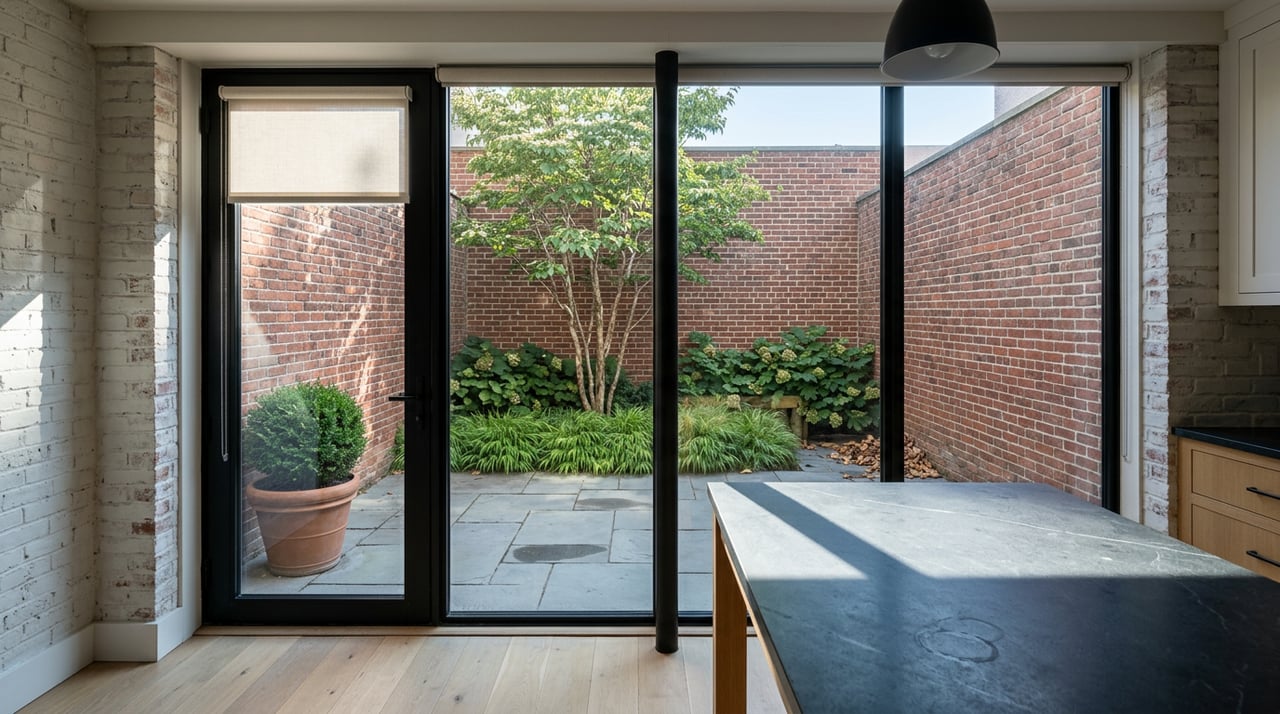

Fill out the form below to learn more about buying or selling a house in your area.
Dambrie Garon Real Estate Advisors offers their clients particular expertise in the buying and selling of single and multi-family properties, new construction, and subdivision projects. Our clients benefit from our insights into home renovations, knowing where and how much to invest to bring a property to its highest and best use, whether for renovation and resale or renovation for the families' own use.