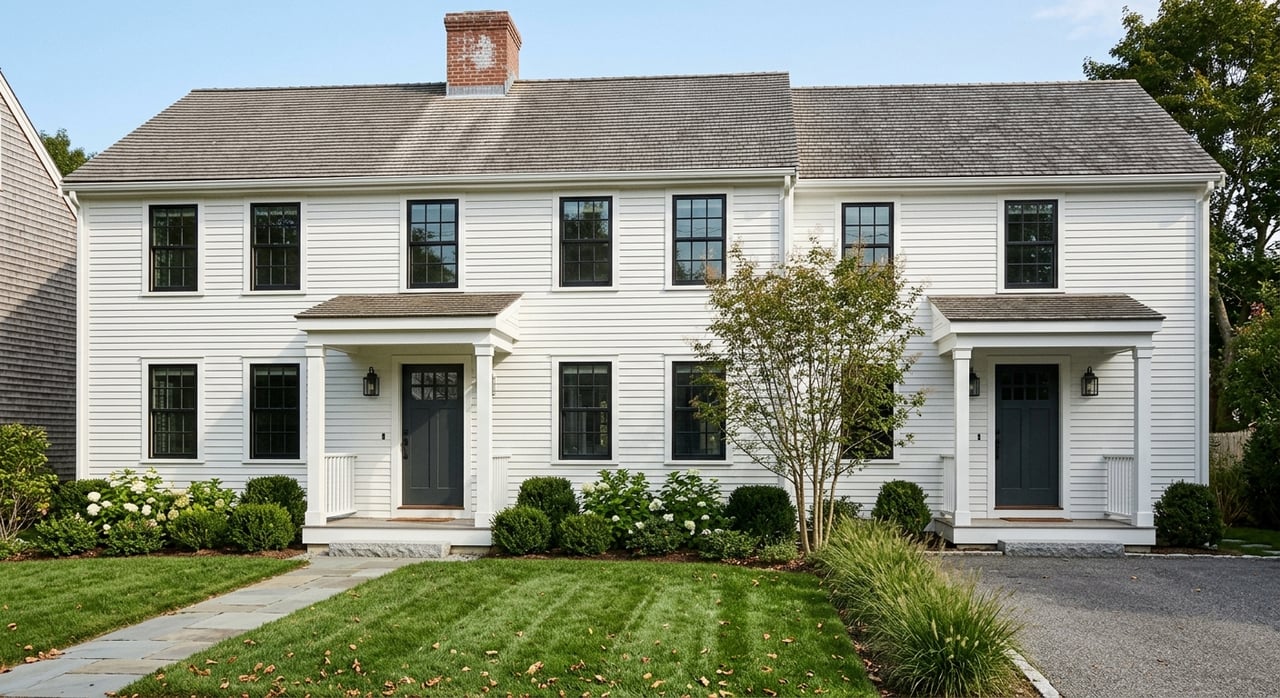
House Hacking In South Portland: Getting Started With Multi-Units
July 16, 2026
July 16, 2026
Thinking about living in one unit and renting the others to help cover your housing costs? In South Portland, that idea can make real sense, but it is not a shortcut or a guaranteed win. If you are curious about house hacking in South Portland, this guide will help you understand the local market, the property types that tend to work, and the due diligence that matters most before you buy. Let’s dive in.
South Portland offers a mix that gets many first-time investors and owner-occupants interested. According to the U.S. Census Bureau’s 2020-2024 QuickFacts, the city has a 58.1% owner-occupied housing unit rate, a median owner-occupied home value of $441,200, and a median gross rent of $1,812.
Those numbers matter because they suggest two things at once. First, South Portland remains more owner-occupied than nearby Portland, which can appeal if you want a property that feels like a long-term home as well as an investment. Second, it is still an expensive market, so your deal needs to be analyzed carefully rather than assuming rent will solve everything.
Portland provides a useful comparison point. The same Census data shows Portland with a 46.9% owner-occupied rate, a median owner-occupied home value of $489,600, and a median gross rent of $1,577. For many buyers, South Portland may feel like a more approachable starting point, but only if the numbers hold up under real-world costs.
At its core, house hacking means you live in one part of the property and rent out another part to offset your monthly housing expenses. In South Portland, that usually points you toward a legal duplex, a small three- to four-unit building, or a single-family home with a legal accessory dwelling unit, often called an ADU.
South Portland’s zoning code specifically addresses two-family dwellings, multifamily dwellings, and ADUs. That is important because a space that looks rentable is not always legal as a separate dwelling unit. Before you fall in love with a layout or projected rent number, you need to confirm the property’s legal use.
South Portland is not overflowing with small multifamily opportunities. The city’s 2022 housing assessment reported about 6,884 single-family units and 3,953 multifamily units as of 2019, which shows that multifamily housing is meaningful here but not dominant.
The same report noted that 586 multifamily units were permitted in the prior five years and that attached housing types such as duplexes, multiplexes, and condo-style ownership units may fit roughly in a $150,000 to $350,000 per-unit range. At the same time, the report makes clear that supply is constrained. For you as a buyer, that often means competition, limited inventory, and less room for sloppy underwriting.
A duplex is often the cleanest entry point. You live in one unit, rent the other, and manage a simpler setup than you would with a larger building.
In many cases, duplexes are easier to understand operationally. You still need to review income potential, utility setup, parking, and condition, but the day-to-day structure is usually more manageable for a first-time owner-occupant.
If you want more rental income, a three- or four-unit building may offer stronger offset potential. More units can spread out your fixed costs, but they can also raise the bar on maintenance, reserves, and compliance.
This is where details matter. In South Portland, a project involving division of a structure into three or more dwelling units can trigger site plan review when new construction is 1,000 square feet or larger. That does not mean every small multifamily purchase is complicated, but it does mean you should verify permit history and any planned changes early.
An ADU can be a smart option if you want more privacy than a traditional multifamily setup. A basement apartment, over-garage unit, or other secondary space may look appealing, but South Portland makes clear that an ADU must meet the city’s rules.
The city states that ADUs require Code Enforcement Officer approval, only one ADU is allowed per lot, the main dwelling and ADU must share common ownership, and size limits apply based on lot size and layout. In other words, an existing extra unit is not automatically a legal rental unit just because it is there.
One of the biggest mistakes new house hackers make is comparing rent only to the mortgage payment. That is too narrow, especially in a market like South Portland where pricing is not low and older buildings can carry meaningful upkeep costs.
A better test is rent versus your full monthly carrying cost. That means looking at:
A property can look promising at first glance and still fall short once you include the full cost of ownership. If the deal only works when every unit is always occupied and nothing breaks, it may not be strong enough.
For many buyers, the classic house-hack path is an owner-occupied one- to four-unit property. FHA guidance allows one- to four-family properties when they are owner-occupied principal residences, which is one reason duplexes through fourplexes are such a common entry point.
That does not mean every buyer should use the same loan product. It does mean that small multifamily can fit a mainstream owner-occupant structure rather than being treated like a niche commercial investment from day one.
The key is preparation. Before you shop seriously, make sure you understand your cash needs for down payment, closing costs, reserves, and any repairs or updates that may be needed before or after move-in.
In South Portland, zoning is not just a technical detail. It can directly affect whether a house hack works the way you expect.
The city’s code sets off-street parking requirements for two-family and multifamily dwellings based on unit size and bedroom count, with some reductions in designated growth areas. If a property has a unit count that does not match the layout, or if the parking arrangement does not support the legal use, that can become a real issue for financing, insurance, resale, or future improvements.
Before you buy, verify:
These are not small details. They are core parts of whether the property functions as the investment you think you are buying.
Once you rent out a unit, even while living on-site, local landlord rules matter. South Portland requires residential tenant disclosures that address tenant-landlord rights, energy efficiency, lead paint, radon, and smoking policy.
The city also requires registration of buildings containing three or more dwelling units. In addition, tenants must receive 90 days’ written notice of any rent increase. If you are planning to house hack, compliance should be part of your operating plan from the start.
South Portland also has Housing Security and Rent Stabilization ordinances. For many smaller house hackers, one important detail is that the city’s 10% annual rent cap applies to rental units in properties with 16 or more units under common or affiliated ownership, while owners of 15 or fewer units are exempt from that cap.
That distinction matters. A duplex or triplex house hack is not treated the same way as a much larger apartment portfolio, but local rules still deserve close attention.
Because South Portland is coastal, flood risk can affect more than just waterfront homes. Properties near the shoreline, low-lying roads, or other flood-prone areas may carry additional insurance requirements or higher long-term costs.
The city maintains coastal resilience resources, including coastal flooding maps and FEMA flood maps effective June 20, 2024. For a house hacker, flood-zone status should be reviewed before the offer is finalized, not after. Insurance costs can change your monthly picture in a meaningful way.
If you are deciding between the two cities, the comparison is useful. South Portland currently shows a slightly lower median owner-occupied home value than Portland, a higher median gross rent, and a more owner-occupied housing profile.
Portland, on the other hand, offers a denser city market and more formal rental regulation. The city requires annual long-term rental registration, and its Rent Board exists through the 2020 rent-control referendum.
That does not make one city universally better than the other. It simply means your starting point should match your comfort level, budget, and tolerance for regulation. For many first-time house hackers, South Portland may feel like the clearer first step if the property is legally configured and the monthly numbers are solid.
If you are serious about getting started, keep your process practical and disciplined. A good early checklist includes:
House hacking can be a strong path to building equity and reducing your out-of-pocket housing cost, but in South Portland it works best when you treat it like both a home purchase and a business decision.
If you want help evaluating a duplex, small multifamily, or ADU opportunity in South Portland, Dambrie Garon Real Estate Advisors can help you look at the property from both a lifestyle and investment perspective.

Fill out the form below to learn more about buying or selling a house in your area.
Dambrie Garon Real Estate Advisors offers their clients particular expertise in the buying and selling of single and multi-family properties, new construction, and subdivision projects. Our clients benefit from our insights into home renovations, knowing where and how much to invest to bring a property to its highest and best use, whether for renovation and resale or renovation for the families' own use.