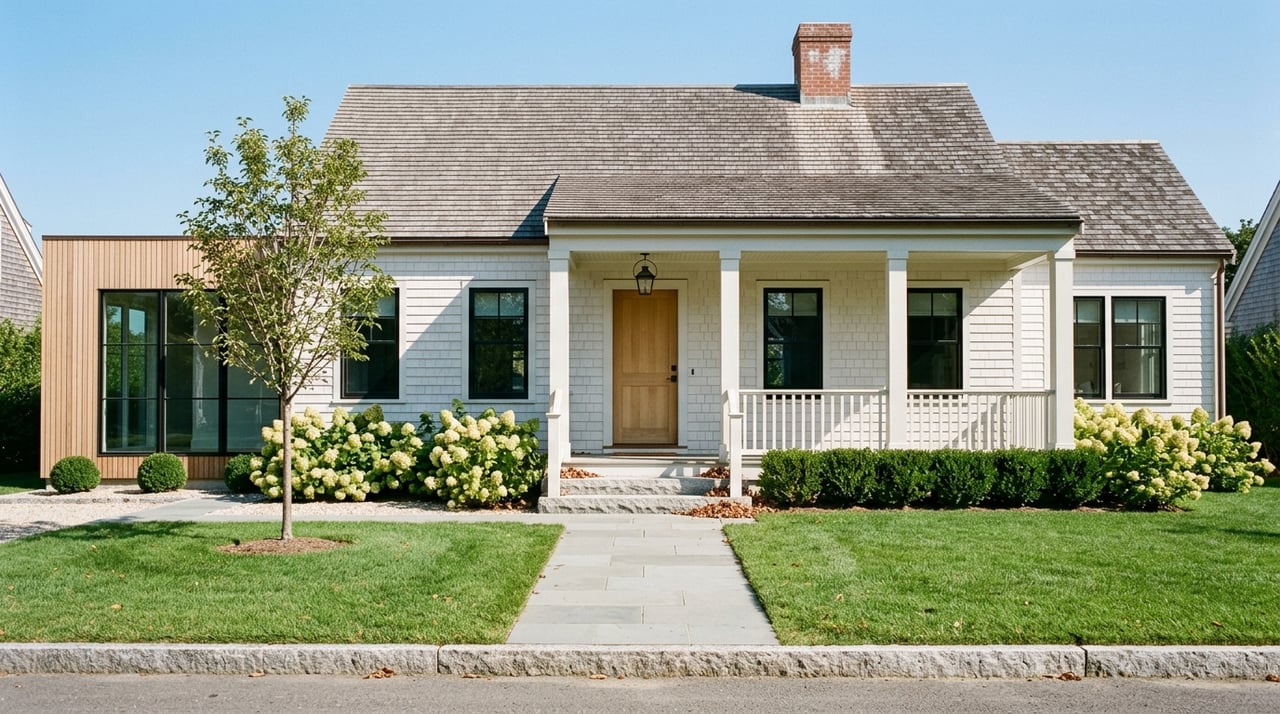
How Falmouth Foreside Home Styles Shape Waterfront Living
June 11, 2026
June 11, 2026
Wondering why two waterfront homes in Falmouth Foreside can offer completely different lifestyles, even when they look similar from the road? That is one of the biggest surprises buyers discover in this part of coastal Maine. If you are trying to understand what you are really buying here, this guide will help you see how home style, lot pattern, shoreline rights, and local property constraints all shape waterfront living. Let’s dive in.
Falmouth Foreside is not a blank slate waterfront market. Town planning materials describe the Foreside as an eastern area that was already largely developed, with future growth expected mostly through filling in vacant land around existing neighborhoods. In practical terms, that means you are shopping in a mature coastal setting where history, lot lines, and existing homes play a major role in what is available.
That long development pattern also helps explain the area’s distinctive feel. Falmouth history notes that by 1900, summer homes had started converting into year-round residences, and earlier planning language describes the Foreside as one of Portland’s earliest suburbs. Instead of one uniform housing type, you get a layered waterfront district shaped over decades.
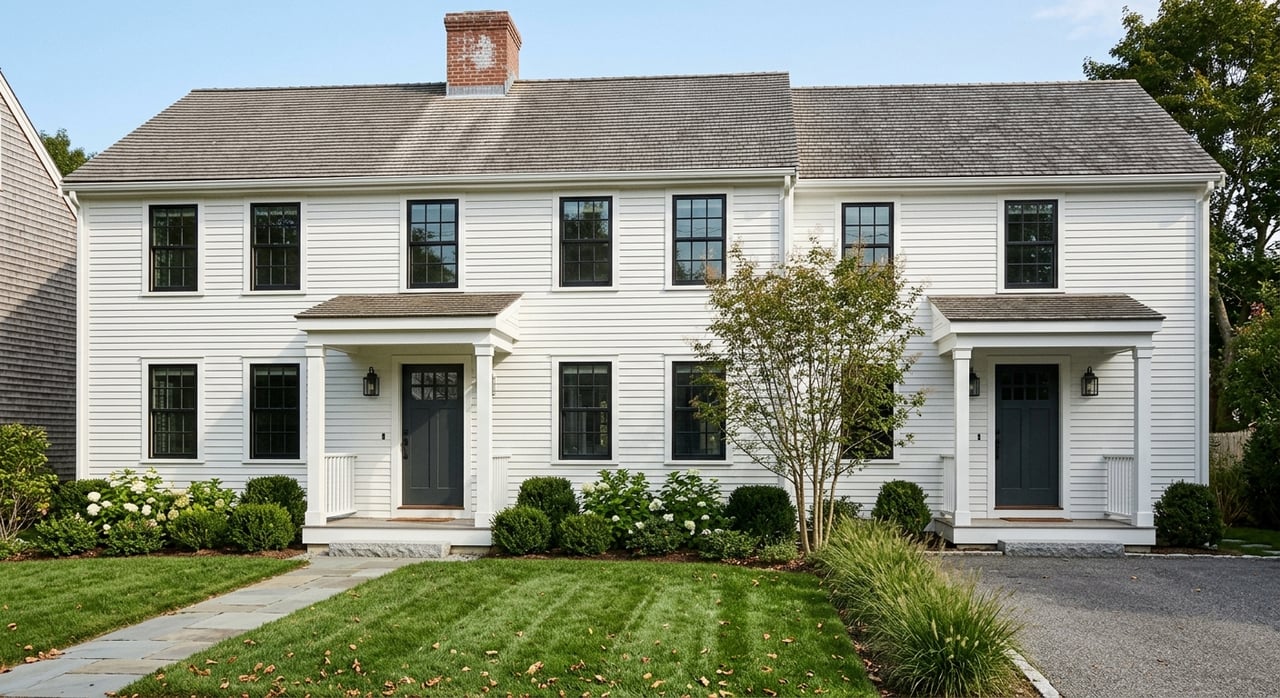
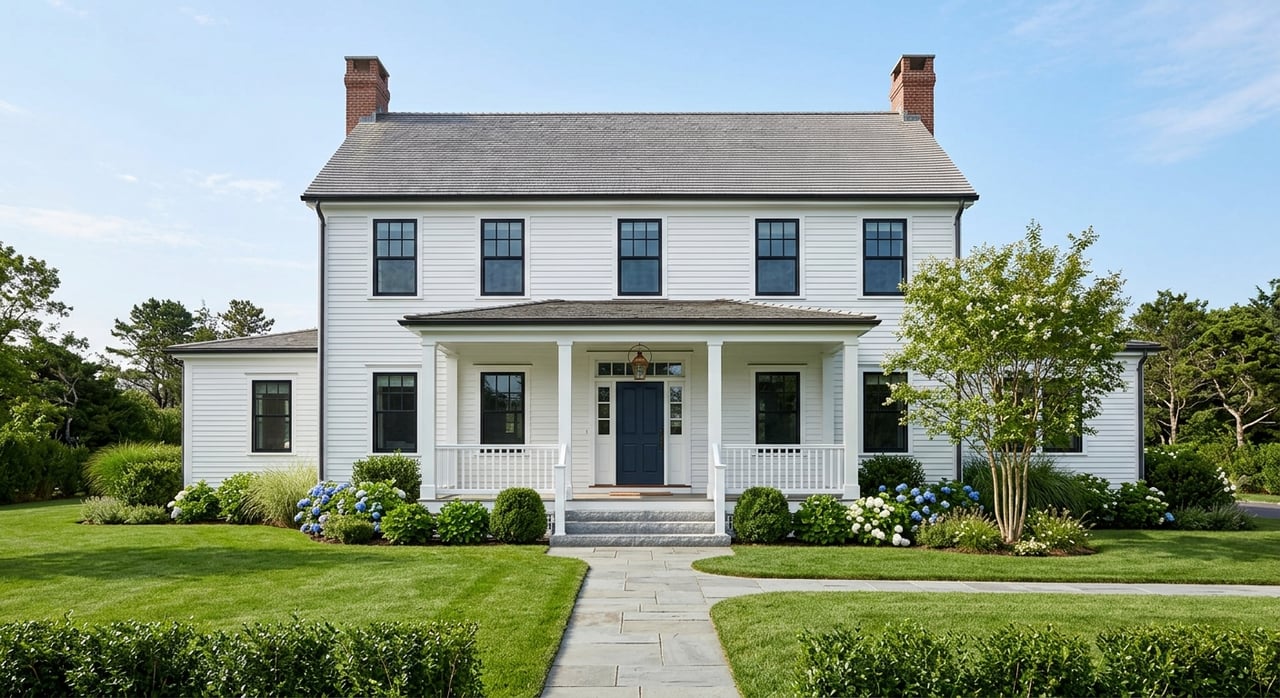
One of the defining features of Falmouth Foreside is its mix of older homes. National Register documentation describes the area as a neighborhood of fine 19th- and 20th-century homes, along with early 20th-century cottages. If you are drawn to charm, architectural detail, and a sense of place, these properties often deliver that in a way newer homes cannot easily replicate.
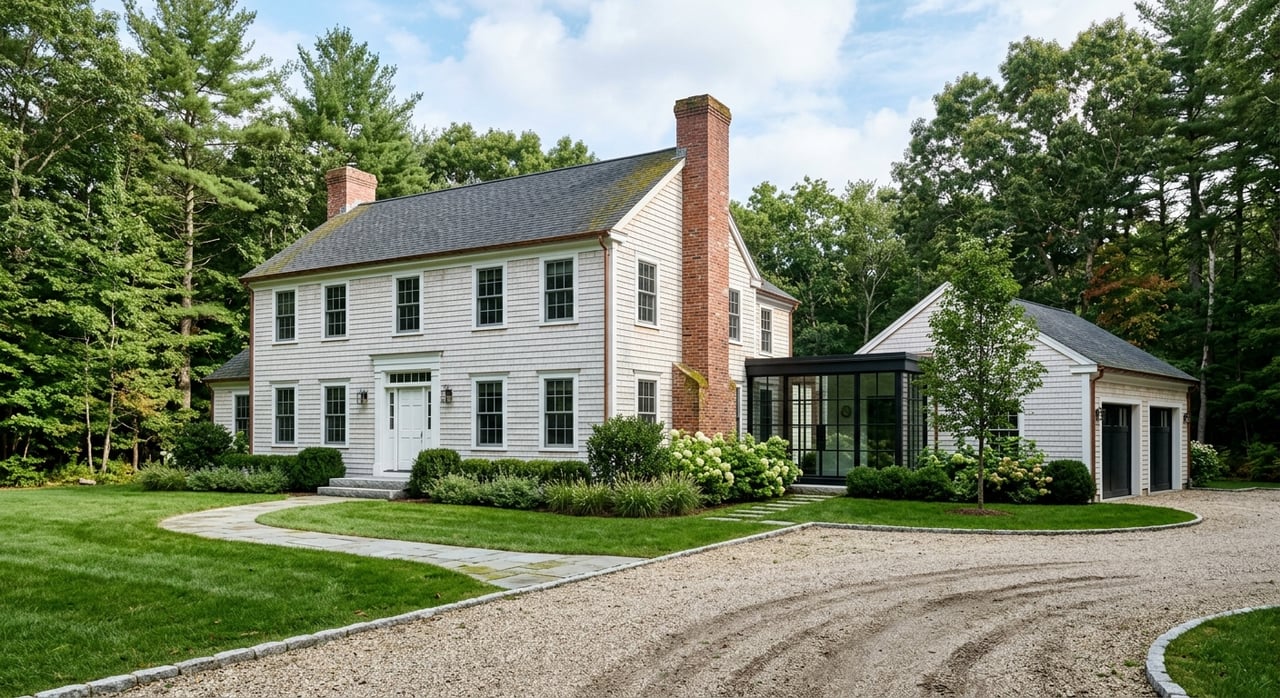
These homes may include older cottages, colonials, and estate-style residences that reflect the area’s long coastal history. Some have been thoughtfully updated, while others still need major work. For buyers, that creates both opportunity and complexity.
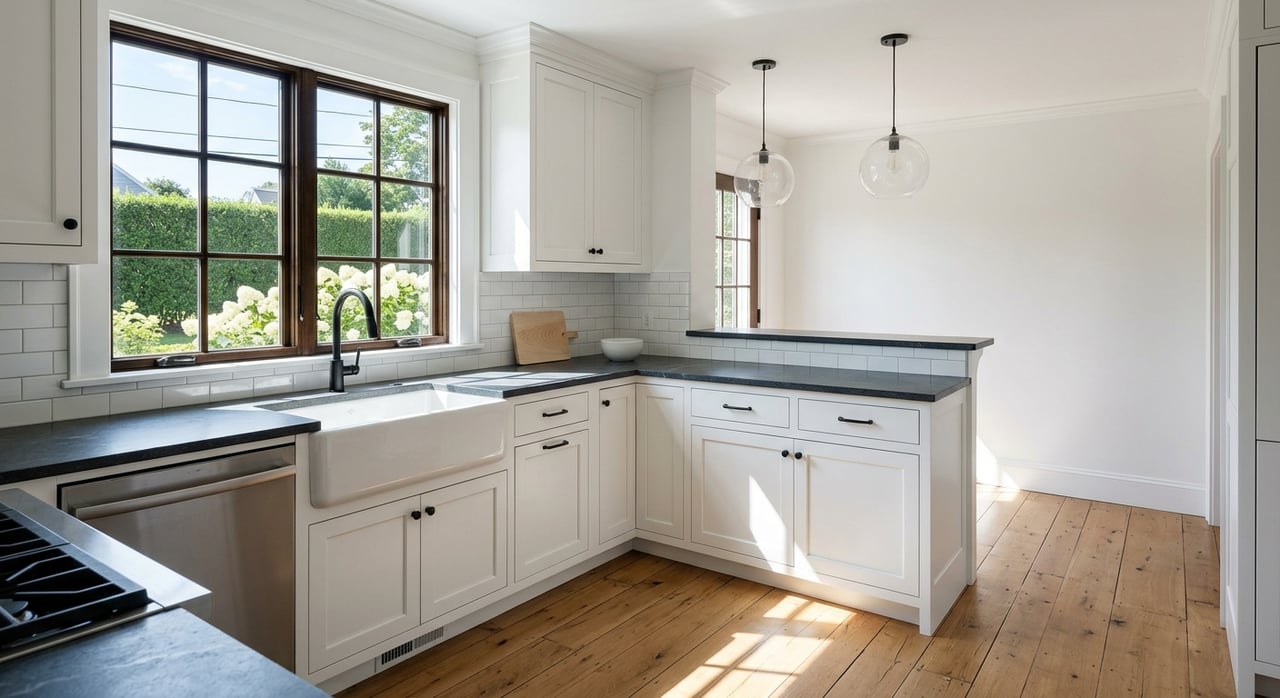
Many Foreside homes sit in the middle ground between historic and new. You may find older houses that retain their original character but have modern kitchens, improved systems, or expanded living space. This can be appealing if you want the look and location of an older coastal home without taking on a full renovation project.
Still, the finish level can vary widely. In this market, two homes from a similar era may command very different prices based on condition, layout, updates, and how well the renovation works with the lot and waterfront features.
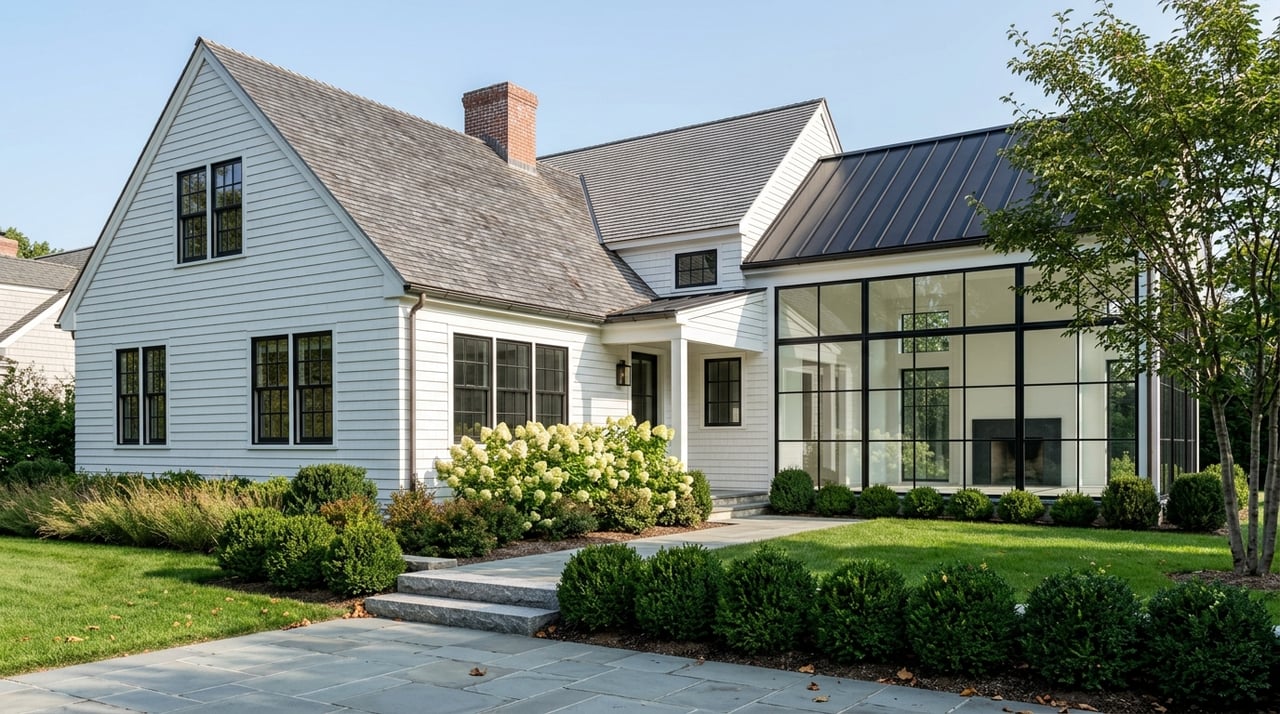
Falmouth Foreside also includes newer construction and custom homes. Recent examples in the market include homes built in 2012 and newly built carriage-style residences. These properties tend to appeal to buyers who want a more turnkey experience, contemporary layouts, and fewer near-term system concerns.
Newer homes can offer clean design, open floor plans, and modern waterfront amenities. But even here, the value story goes beyond the house itself. In the Foreside, the land and the rights attached to it can matter just as much as the finishes inside.
A beautiful home style may catch your eye first, but in Falmouth Foreside, waterfront function often drives long-term satisfaction more than architectural label alone. A historic cottage, a renovated colonial, and a newer custom home can all offer very different ownership experiences depending on the site.
That is because a water-view property and a true waterfront property are not the same thing. From the street, they may feel similar. In daily life, though, boating access, privacy, shoreline use, and resale appeal can differ significantly.
Some waterfront parcels in the Foreside are estate-like properties with substantial acreage, long drives, docks, and private frontage. Others may be part of an association, where you trade individual shoreline ownership for shared beach or dock rights. Both can be attractive, but they serve different priorities.
If you picture launching a boat from your own dock or enjoying a more private shoreline setting, direct frontage may matter most. If your goal is easier maintenance or a lower entry point into the waterfront lifestyle, shared rights may be worth a close look.
A water view can be powerful, especially in a coastal market where scenery shapes the experience of the home. But a view does not automatically provide the same use value as direct frontage or deeded access. That distinction often shows up in pricing, convenience, and future buyer demand.
This is one reason buyers should avoid making decisions based on style alone. A classic house with only a view may live very differently from a similarly styled home with beach rights, dock access, or private water frontage.
In Falmouth Foreside, the lot can influence your day-to-day ownership experience just as much as the home. Larger waterfront parcels may offer more separation, broader frontage, and flexibility in how outdoor space is used. Smaller or more constrained lots may still be desirable, but they can limit what you can change over time.
Local zoning helps explain why this matters. The Water View Overlay District applies to land along Casco Bay generally east of Foreside Road and Route One, and it caps lot coverage at 50%. For buyers considering additions, site changes, or a future rebuild, that detail can be very important.
Older waterfront properties often do not align neatly with current zoning standards. Falmouth’s teardown and rebuild framework shows that nonconforming properties can face more limitations, especially within the overlay district. That means your future plans may be shaped by existing setbacks, lot coverage, and shoreline-related review.
If you are buying an older home with renovation ambitions, it is worth thinking beyond cosmetics. The key questions are often how much of the lot is already covered, whether the property has shoreline improvements, and what approvals would be needed for any expansion.
Falmouth’s comprehensive planning materials note that public coastal access is very limited, except at Mackworth Island, and access at Town Landing is limited as well. That scarcity helps explain why private beach rights, dock rights, and association access can carry such strong value in the Foreside.
In other words, when a property offers meaningful water access, buyers are often paying for more than the view. They are paying for a scarce ownership experience that is not easy to replicate elsewhere in the same neighborhood.
Older homes in Falmouth Foreside can offer real upside, especially if you value character and are comfortable planning updates over time. But renovation potential here is shaped by more than the age or style of the house. Local review, lot constraints, and shoreline conditions can all affect what is practical.
Falmouth’s 2024 comprehensive plan says the town has eight National Register-listed properties and recommends continued Maine Historic Preservation Commission review and comment for proposed development on or adjacent to National Register properties. That does not mean every older home is heavily restricted, but it does mean buyers should look carefully at location-specific review factors.
For many buyers, the smartest approach is to evaluate three things together:
This is especially important if you are comparing an older cottage with upside against a newer custom build with fewer immediate unknowns. The right choice depends on whether you prioritize character, convenience, or long-term improvement potential.
It is easy to assume price follows architecture, but current data suggests the story is broader than that. Census Reporter puts Falmouth Foreside’s median owner-occupied value at $855,000 and median household income at $177,411. Spring 2026 market data from Redfin shows a median sale price near $984,492 and a median of $605 per square foot.
In the broader town, Redfin shows a median sale price near $948,270, Realtor.com shows a $1.09 million median listing price, and Zillow reports an average home value of $897,432. Recent Foreside sales ranging from about $700,000 to more than $3.06 million point to a wide value spread within the same submarket.
That range suggests buyers are often paying for a combination of factors, including:
In short, style matters, but location details often matter more.
Older cottages and colonials may be the best fit if you love architectural charm and are open to improvements over time. These homes can offer a special sense of place in a market where history is part of the appeal. Just be ready for more diligence around systems, permitting, and expansion potential.
A renovated home or newer custom build may be the stronger choice if you want a simpler move and a more predictable ownership path. Buyers often pay a premium for properties with true frontage or strong deeded rights, especially when those features are paired with updated interiors and lower near-term project needs.
Water-view or inland Foreside homes can be worth comparing against direct-waterfront options. In this market, the same architectural style can price very differently depending on access rights, lot coverage, and whether the property falls within the Water View Overlay District. That makes side-by-side comparison especially important.
In Falmouth Foreside, home style absolutely shapes the feel of waterfront living, but it does not tell the whole story. A classic cottage, a stately older colonial, and a newer custom home each create a different lifestyle, yet the lot, shoreline rights, and property constraints often have the strongest effect on how the home actually functions.
That is why the best buying decisions here usually come from looking at the full picture. When you understand the relationship between architecture, land, access, and local rules, you can choose a home that fits both your lifestyle and your long-term plans.
If you are weighing waterfront options in Falmouth Foreside and want clear, local guidance on style, value, and renovation tradeoffs, Dambrie Garon Real Estate Advisors is here to help.
Fill out the form below to learn more about buying or selling a house in your area.
Dambrie Garon Real Estate Advisors offers their clients particular expertise in the buying and selling of single and multi-family properties, new construction, and subdivision projects. Our clients benefit from our insights into home renovations, knowing where and how much to invest to bring a property to its highest and best use, whether for renovation and resale or renovation for the families' own use.